
Inspeções veiculares digitais, e por que as fotos vendem.
Um técnico encontra um item desgastado, informa a receção, a receção menciona isso enquanto o cliente está a pagar, e o cliente diz que vai pensar sobre isso. Essa sequência perde mais receita do que qualquer decisão de preços que uma oficina toma em um ano.
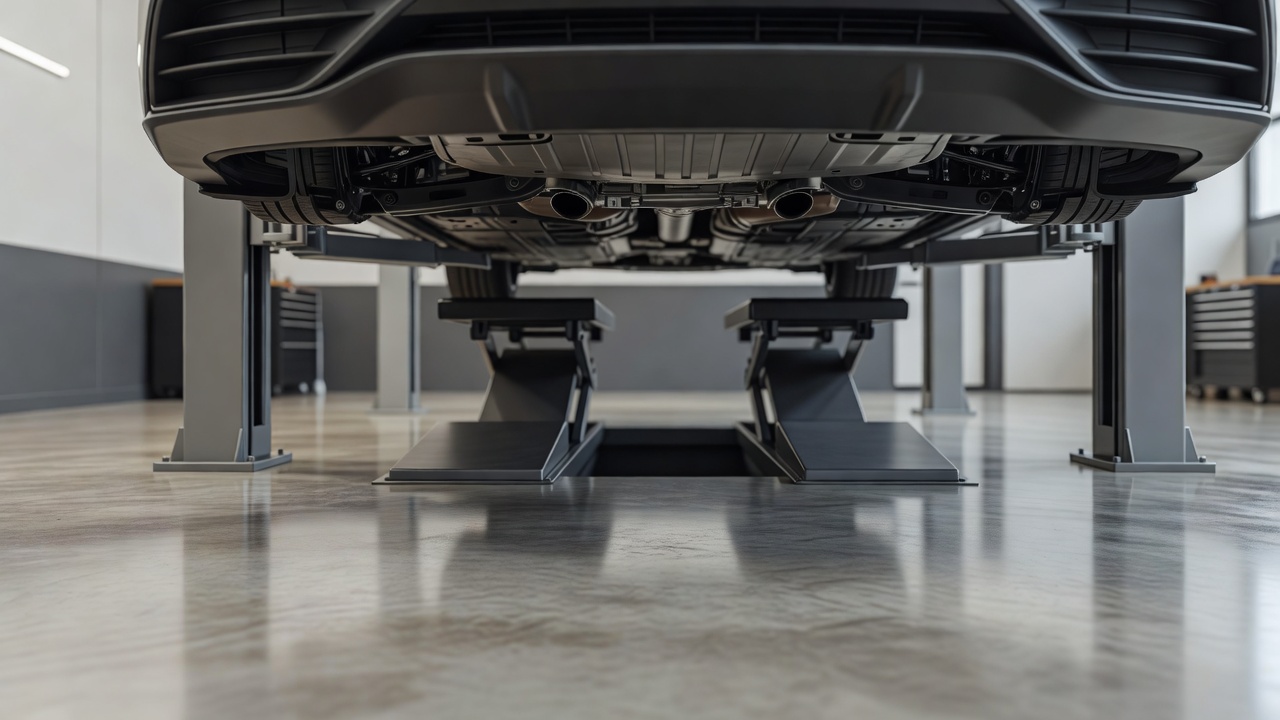
O problema é a evidência, não o preço
Um cliente que recusa trabalho de aconselhamento não está a rejeitar o preço. Está a ser solicitado a gastar dinheiro num problema que não consegue ver, descrito por alguém com interesse evidente na sua concordância.
É uma posição desconfortável e a resposta mais segura é adiar. Adiar parece livre, e o cliente não consegue avaliar o risco de esperar porque não tem nada para analisar.
As inspecções digitais de veículos alteram a transacção ao eliminar essa assimetria. Uma fotografia do seu próprio componente desgastado, ao lado de um bom, não é um argumento de venda. É um facto que podem avaliar por si mesmos.
O que um registo de inspecção útil contém
O valor está na especificidade. Uma lista de verificação genérica com marcas âmbar e vermelhas é pouco melhor do que uma menção verbal.
- Uma fotografia do item real no seu veículo real, não uma imagem de stock.
- Uma explicação em uma linha em linguagem simples do que significa, não o nome da peça.
- Uma declaração clara de urgência: precisa de ser feito agora, precisa de ser feito em breve, ou vale a pena acompanhar.
- O preço para o consertar, para que a decisão não precise de uma segunda conversa.
- Uma medição onde exista, como a profundidade do piso ou a espessura da pastilha, porque um número é mais fácil de confiar do que um adjectivo.
Enviada enquanto o veículo ainda está consigo, essa informação converte uma grande parte do trabalho que uma menção verbal teria perdido.
O tempo decide o resultado
A mesma informação enviada em três momentos diferentes produz três resultados distintos.
Enviada enquanto o carro está na rampa, é uma decisão sobre hoje, e o trabalho é feito num veículo que já tens. Enviada na recolha, compete com o cliente que quer sair. Enviada uma semana depois, é um orçamento para uma visita futura, que converte muito menos, mas ainda converte.
A regra prática é enviar a inspecção antes de terminar o trabalho, não depois. Essa única mudança geralmente aumenta a conversão mais do que qualquer melhoria no conteúdo.
Protege-te tanto quanto vende.
O valor defensivo é fácil de ignorar e é real.
Um registo documentado e datado do estado do veículo quando esteve contigo resolve disputas que, de outra forma, seriam uma palavra contra a outra. Um cliente que volta três meses depois com um componente avariado que foi fotografado, explicado, orçado e recusado é uma conversa muito diferente de uma em que foi mencionado verbalmente.
Protege também os técnicos, cujo julgamento é registado apenas como uma marca num papel que ninguém guardou.
A consistência é mais importante que a minúcia.
Uma inspecção feita corretamente em alguns veículos e ignorada em outros é pior do que uma mais curta feita em todos.
Os clientes comparam, e uma oficina que enviou um relatório detalhado da última vez e nada desta vez disse-lhes algo que não pretendia. Internamente, a adoção parcial também torna os números de conversão sem sentido, pois não se pode saber se uma taxa baixa é um problema de apresentação ou de cobertura.
Melhor definir uma inspecção curta que realmente acontece em todos os veículos do que uma abrangente que ocorre quando há tempo.
Não a uses para vender coisas que as pessoas não precisam.
Este é o modo de falha que destrói o valor de toda a prática, e vale a pena nomeá-lo claramente.
Uma oficina que fotografa desgaste marginal e apresenta como urgente ensina os clientes a desconfiar dos relatórios, e essa desconfiança espalha-se para os genuínos. A vantagem da evidência é que é verificável, o que funciona em ambos os sentidos.
Estar visivelmente disposto a marcar algo como digno de atenção em vez de urgente é o que faz com que as bandeiras urgentes sejam acreditadas. A contenção não é uma versão mais suave de vender; é o que faz a venda funcionar.
Acompanhe o trabalho adiado num calendário.
A maioria dos conselhos recusados não são recusas, são adiamentos, e quase ninguém os acompanha.
Registar itens adiados no veículo, com a data e a urgência, transforma-os numa lista que vale a pena trabalhar em vez de uma conversa que ninguém se lembra. Um lembrete agendado para o próximo serviço, referindo a fotografia que já enviou, converte uma parte significativa.
Essa lista é também a fonte de trabalho mais barata que uma oficina tem, porque o diagnóstico já foi pago e o cliente já foi informado.
Perguntas frequentes
O que são inspecções digitais de veículos?
Um registo do que um técnico encontrou num veículo, com fotografias dos componentes reais, explicações em linguagem simples, urgência e preços, enviados ao cliente enquanto o carro ainda está consigo em vez de mencionados na entrega.
Por que é que as fotos melhoram a conversão de conselhos?
Porque o cliente está a ser solicitado a gastar dinheiro num problema que não consegue ver, descrito por alguém com interesse em que concordem. Uma fotografia da sua própria peça gasta é um facto que podem avaliar em vez de um argumento de venda.
Quando deve a inspecção ser enviada?
Enquanto o carro está na rampa, não na recolha. Enviado cedo é uma decisão sobre hoje num veículo que já tem; enviado na recolha compete com o cliente que quer sair; enviado uma semana depois converte muito menos.
As inspecções protegem a oficina?
Sim, e é fácil de ignorar. Um registo datado do veículo resolve disputas que de outra forma seriam uma palavra contra outra, e protege o técnico cujo julgamento é apenas uma marca num ficheiro que ninguém guardou.
O que arruína o valor das inspecções de veículos?
Usá-las para vender trabalho que não é necessário. Fotografar desgaste marginal e chamá-lo urgente ensina os clientes a desconfiar de cada relatório, incluindo os genuínos. Marcar coisas como a vigiar é o que faz as bandeiras urgentes serem acreditadas.
Leia mais como este
Preço de pneus sem o ficheiro
O preço manual de pneus fica desatualizado assim que a lista de fornecedores muda. Preço por regra e deixe as regras atualizarem-se.
Consulta de matrícula
A consulta de matrícula elimina a maior perda nas vendas online de pneus: quando pede a um cliente um tamanho que ele não conhece.
O rótulo de pneus da UE na sua loja
O rótulo de pneus da UE é uma obrigação e uma ferramenta de vendas. Aqui está o que uma loja deve exibir, de onde vêm os dados e como usá-los para aumentar as vendas.