
Tyre bay equipment, in the right order.
Equipment is the part of setting up that feels most like progress, which is why new garages overspend. The key question is not what a complete bay looks like but what you need before the first customer and what can wait until revenue comes in.
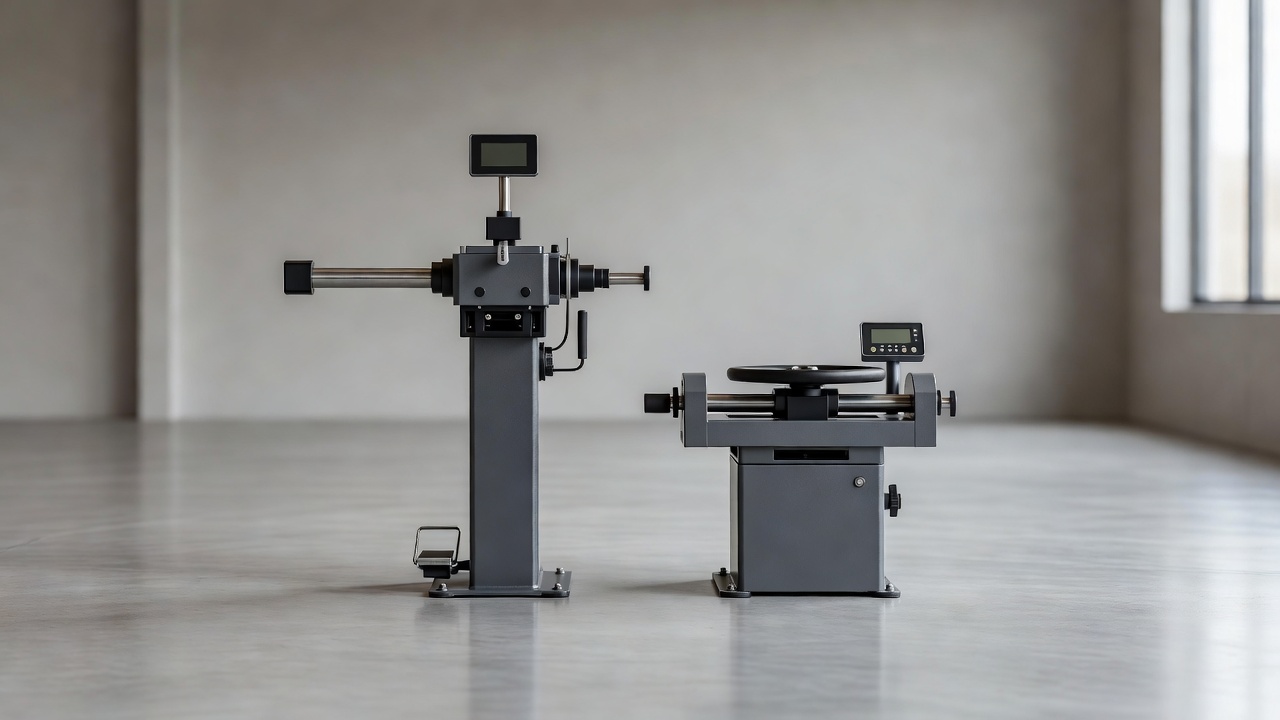
Buy for the wheels you will actually handle
The most costly mistake in tyre bay equipment is specifying for the work you envision rather than the work in your area.
A garage serving standard cars needs different capabilities from one handling large alloys, low-profile fitments, run-flats, or light commercials, and the price gap between those specs is significant. Guessing high wastes capital; guessing low means turning work away or damaging wheels.
The best way to find out is to check local vehicles and the mix in your area before committing. That data is more reliable than assumptions about your target customers.
The three factors that determine if you can trade
Everything else is optional at first. These are essential.
- A tyre changer suited to the wheel sizes and types you'll encounter, including assist arms for stiff sidewalls if needed.
- A wheel balancer, as an unbalanced wheel leads to comebacks, which are unpaid work.
- A safe vehicle lifting method, whether a ramp or suitable jacks and stands for the job.
Torque wrenches are in the same category, despite being cheaper, as wheel nuts done by feel can lead to unacceptable failures.
Where cheap purchases end up costing more
Tyre bay equipment economics are unique: the cheap option often works, with costs appearing as time and damage rather than outright failure.
A slow changer adds minutes to each job, affecting the number of cars you can handle in a morning. A changer that damages alloys costs a wheel refurbishment and a customer. A balancer needing two attempts costs double the time.
So the calculation isn't just price versus price; it's price against daily jobs and the cost of occasional damaged wheels. For the two machines you use every hour, this often favours investing in better equipment than feels comfortable.
What can truly wait
Many items on a complete-bay list can be postponed until needed.
Alignment gear is a prime example: it's a big investment, requires space and training, and it's sensible to outsource until there's enough work to warrant owning it. The same goes for specialist tools for infrequent vehicle types.
The key is how often you'd use the equipment and the cost of alternatives. Outsourcing one job a week is cheaper than owning an idle machine; one a day isn't.
Maintenance is included in the purchase
Unmaintained equipment slows down and causes damage, often unnoticed until it's too late.
Inquire about servicing, parts availability, and calibration before purchase. A balancer that can't be calibrated locally relies on trust, and a changer with hard-to-source parts can become a bottleneck at the worst time.
Factor it in as a regular cost, not a surprise. It's minor compared to the machines and keeps your jobs-per-day rate steady.
Buying used, wisely
Second-hand tyre bay equipment can offer great value, with risks in specific areas.
Wear parts, electronics, and calibration are where costs accumulate. A well-used machine from a busy shop with a service history is often a better buy than a lightly used one from a damp unit.
Observe it in action on a real wheel before buying, not just powered on in a corner. Failures occur under load, and a five-minute demo on an actual fitment is more valuable than any description.
Common questions
What tyre bay equipment do I need to begin?
A tyre changer suited to the wheels you’ll see, a wheel balancer, a safe way to lift the vehicle, and torque wrenches. Everything else can wait until needed.
Is it worth investing in better equipment than the minimum?
For the two machines used every hour, usually yes. A slow changer wastes minutes on each job, and one that damages alloys costs a refurbishment and a customer, so compare price against jobs per day, not just price.
Should I invest in alignment equipment early?
Usually not. It’s a big investment needing space and training, and outsourcing the work is sensible until there’s enough demand. The test is how often it would be used versus the cost of alternatives.
Is buying used tyre fitting equipment a good idea?
It can offer great value, with risks mainly in wear parts, electronics, and calibration. A well-serviced machine from a busy shop often outperforms a lightly used one that’s been in a damp unit. Test it on a real wheel first.
How do I determine the specification?
Based on the vehicle mix in your area, not just the customers you hope to attract. Large alloys, low profiles, run-flats, and light commercials all affect the specification, with a significant price gap in both directions.
Read more like this
Tyre pricing without the spreadsheet
Tyre pricing by hand drifts out of date the moment a supplier list changes. Price by rule instead, and let the rules do the updating.
Vehicle registration lookup
Vehicle registration lookup removes the biggest drop-off in online tyre sales: the moment you ask a customer for a size they do not know.
The EU tyre label on your storefront
The EU tyre label is an obligation and a sales tool. Here is what a shop has to display, where the data comes from, and how to use it to trade up.