
Mobile fitting van configuration, arranged for the task.
Two vans with the same equipment can vary by fifteen minutes per job, due to the arrangement and weight of the van. The equipment list is the simple part; the layout is what pays off daily.
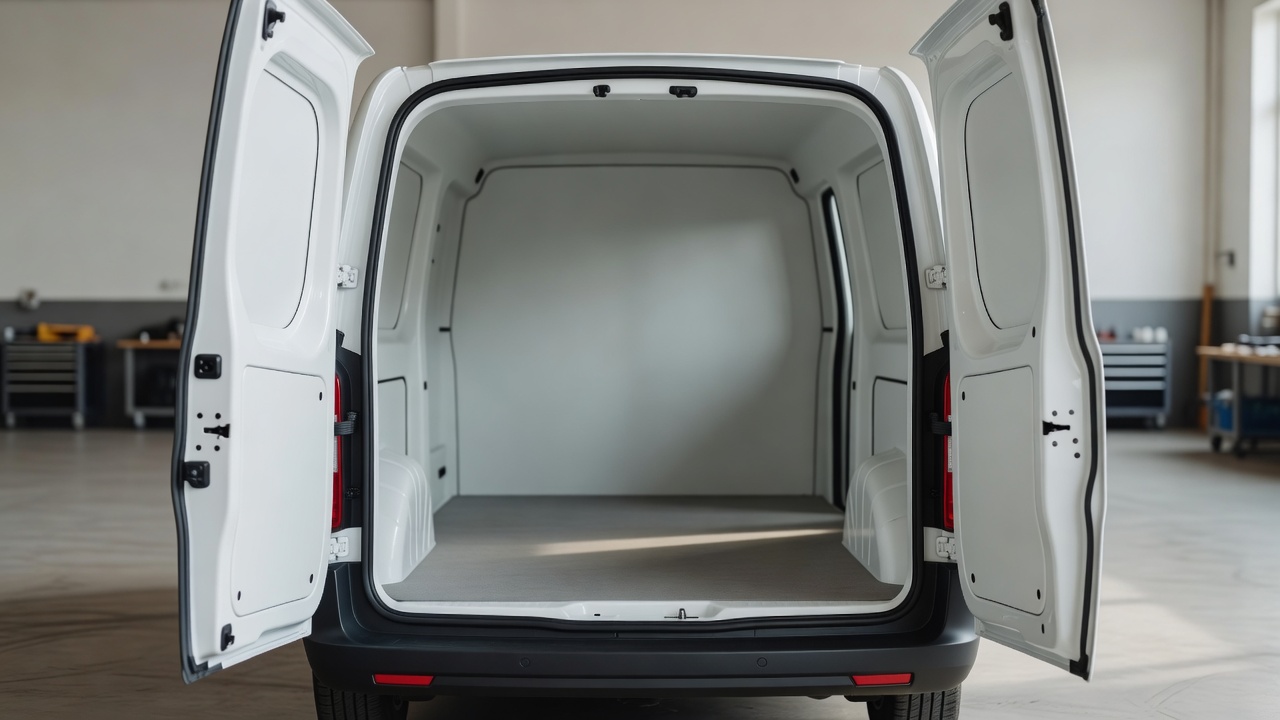
Weight is a constraint you cannot dispute
A tyre changer, balancer, generator or power system, tools, and a stock of tyres add up fast, and a van's payload is finite in a way that is non-negotiable.
Overloading affects handling and braking, invalidates insurance in many cases, and is a legal problem in its own right. It also accelerates wear on the van, which is the asset the whole business runs on.
Weigh the van loaded instead of estimating early, before the fit-out is finalised. Most operators are surprised, and it’s cheaper to find out before the racking is fixed.
Arrange it in the order of tasks
The best mobile fitting van setup is based on the order of use, not on neatness.
- Keep essential tools like jacks and wheel equipment at the entrance, not buried inside.
- Consumables at waist height where they are grabbed repeatedly, since bending is where the minutes go.
- Heavy machines low and over or in front of the rear axle, for handling and access.
- Tyres where they can be moved without unloading everything else, because the wrong one is always at the back.
- Everything with a fixed home, so a missing tool is obvious at a glance rather than discovered on a driveway.
That last point does more for speed than any single piece of equipment. A van where every item has a place is a van where nobody is searching in the rain.
Power and noise concerns
Machines need power, and how you supply it influences the working day more than you think.
A generator is flexible and it is loud, which matters when most domestic jobs happen on residential driveways in the evening. Battery and inverter systems are quieter and constrain how many jobs you can do before recharging. Many operators end up with a hybrid arrangement for exactly that reason.
Whichever you choose, prepare for the worst, not the average: a cold morning, a stiff sidewall, and an end-of-day job can cause a weak power system to fail, costing you a customer.
Secure it for safety against theft.
Loose equipment in a van poses a hazard long before it becomes a theft risk.
Any heavy item that can shift in a sudden stop is dangerous, so proper restraint is essential and often a condition of insurance policies. Racking that is bolted down rather than resting on the floor ensures a secure load rather than a projectile.
Then there's the theft issue, real for a van carrying thousands of pounds of equipment overnight. Deadlocks, a functioning alarm, and not leaving the van loaded in view are basics, often specified by insurance conditions.
The van itself is a business choice.
Choosing the vehicle is often seen as a budget issue, but it's more about capacity.
Payload determines how much you can carry, affecting how many jobs you can do before restocking. Internal height affects whether you can stand, impacting your fatigue by the fifth job. Access, whether a side door or low load floor, influences how long it takes to move each wheel.
Consider running costs over purchase price. A slightly larger van that allows one more job a day recoups the difference faster than fuel savings on a smaller one, and a van you can't stand in costs you in ways not reflected on any invoice.
Leave space to work.
The most common fit-out error is filling every cubic metre, turning the van into a storage unit instead of a workspace.
Space to avoid the weather, a work surface, and somewhere to place a wheel are more valuable than the extra stock they replace. In wet climates, that shelter is essential; it determines whether a job is done properly or rushed.
It also impacts the customer's impression. A tidy, organised van conveys competence before anyone touches the car, which matters on a driveway where you’re unknown.
Common questions
What should be in a mobile fitting van?
A tyre changer and balancer for the wheels you’ll encounter, jacking gear, torque wrenches, consumables, and a stock of common sizes. The equipment list is simple; weight and layout dictate job speed.
How important is weight?
It’s a constraint you can’t ignore. Overloading impacts handling and braking, may void insurance, and poses legal issues, plus it wears out the business's asset. Weigh the van loaded before finalising the fit-out.
Generator or battery power?
A generator is versatile and noisy, which is important on residential driveways at night. Battery and inverter systems are quieter but restrict jobs before recharging, so many operators use a hybrid. Prepare for the worst case, not the average day.
How should the van be organised?
Based on the job sequence: essential items by the doors, consumables at waist height, heavy equipment low and over the rear axle, and tyres accessible without unloading everything. Each item should have a fixed place so a missing tool is obvious.
What’s the most common fit-out error?
Filling every cubic metre, turning the van into a storage unit instead of a workspace. Space to avoid the weather, a work surface, and somewhere to place a wheel are more valuable than the stock they replace.
Read more like this
Tyre pricing without the spreadsheet
Tyre pricing by hand drifts out of date the moment a supplier list changes. Price by rule instead, and let the rules do the updating.
Vehicle registration lookup
Vehicle registration lookup removes the biggest drop-off in online tyre sales: the moment you ask a customer for a size they do not know.
The EU tyre label on your storefront
The EU tyre label is an obligation and a sales tool. Here is what a shop has to display, where the data comes from, and how to use it to trade up.