
Charging for diagnostics, and why free costs extra.
Free diagnostics aim to win work but lead to losing money twice: once on the unpaid hour, and again on the guesswork repair due to lack of time.
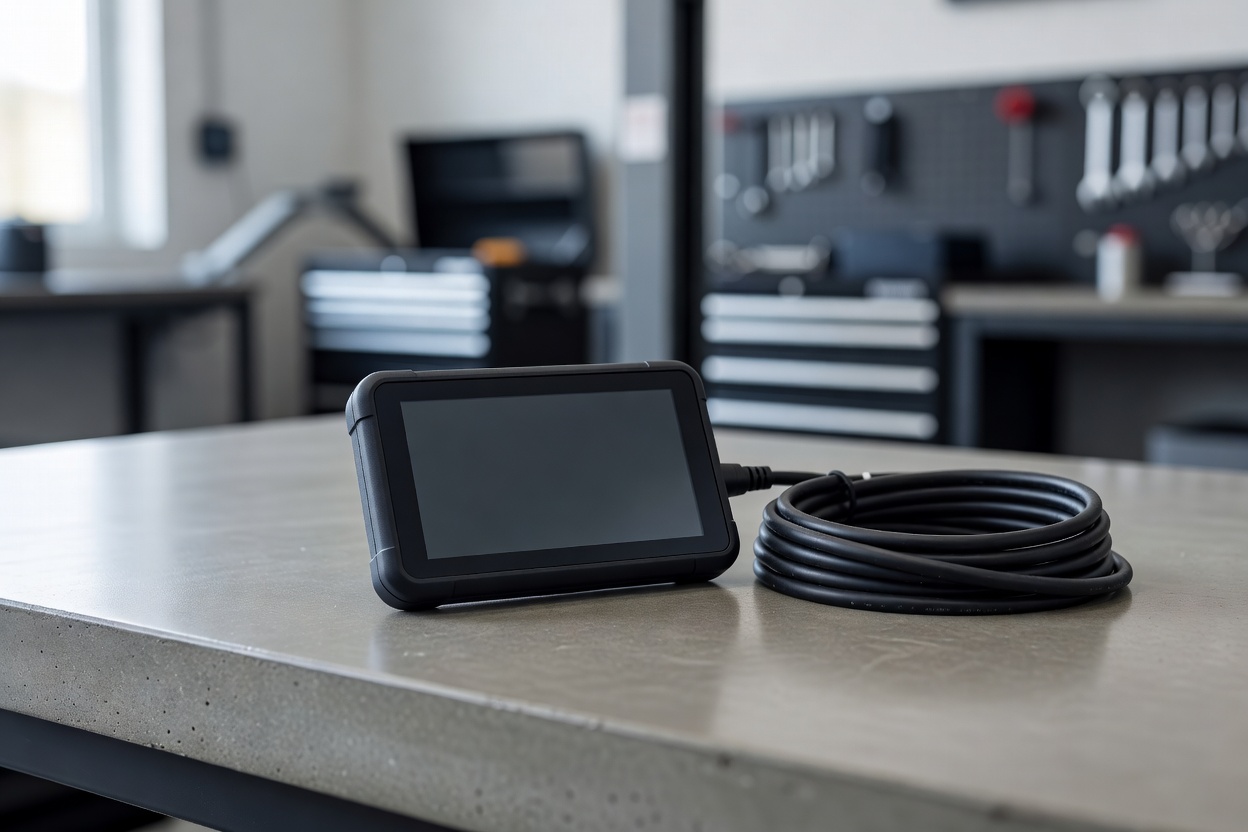
What you’re really selling
Charging for diagnostics means clarifying that a diagnostic isn’t just a scan. Reading a code takes two minutes and shows which circuit reported an out-of-range value, not which part has failed.
What’s being sold is the reasoning: testing the circuit, ruling out causes that trigger the same code, and identifying the actual fault. This requires a skilled person, equipment, and time, and is the highest-skill work most garages do.
Thus, charging for diagnostics is about expertise, not just plugging something in, making the pricing discussion easier once this distinction is clear.
Free diagnostics create pressure to guess
This is the true cost, hidden on the invoice.
When the diagnosis is unpaid, every extra minute is a loss, so the logical move is to stop at the first plausible answer and fit the part that’s usually to blame. Sometimes that’s correct. When it’s not, the customer pays for a part that wasn’t the issue and returns.
That comeback costs the second part, the second visit, the bay time and a customer who now thinks they were sold something unnecessary. It all goes back to a diagnostic hour no one would charge for.
How to present the fee
Customers accept a diagnostic fee when it's framed as buying an answer, not just a fee for looking.
- State a fixed diagnostic price upfront, so it’s a known amount, not an open meter.
- Specify what it includes: a set time and a written explanation of findings.
- Explain what happens if it takes longer; that’s where trust is gained or lost.
- Offer to credit it against the repair if they go ahead, as most garages do, which removes nearly all resistance.
- Provide the findings in writing, whether they proceed or not, as that’s what they paid for.
That fourth point deserves careful thought. Crediting it turns the charge into a deposit on the work, making it easier to agree to, while still protecting you from customers who would only take the answer elsewhere.
The customer who takes your answer elsewhere
It happens, and it’s a smaller issue than the fear suggests.
A garage that has diagnosed a fault, explained it clearly, and quoted for the repair is in a strong position, and most customers simply proceed. Those who take the answer to a cheaper fitter were unlikely to be long-term customers, and they’ve at least paid for the hour.
Free diagnostics cost you time with no payment. The fee doesn't create behaviour, it prices it.
Price it by skill, not time.
A diagnostic hour and a fitting hour differ; charging the same undervalues the one needing your top technician.
Workshops that do this well charge more for diagnostics, and it's easier to justify: customers pay for years of expertise and costly equipment, delivered faster than guessing.
The awkward scenario is a workshop charging standard rates but unable to spend the needed time. It's the same pressure as free diagnosis, just less obvious, leading to guessing.
Be clear about what diagnosis can't guarantee.
Some faults are intermittent; pretending otherwise turns a diagnostic fee into a complaint.
A fault that shows up bi-weekly in wet conditions may not appear in the workshop. Clarifying this before payment and agreeing on next steps makes the difference between an informed customer and one who feels cheated.
A staged approach works well: an initial investigation at a set price, a report on exclusions, and a decision on whether to proceed. The customer controls the spend, which is what they want.
Common questions
Should a garage charge for diagnostics?
Yes, free diagnosis costs more than it gains. When the hour is unpaid, every extra minute is a loss, so the sensible move is to stop at the first reasonable answer and fit the usual part. If that's wrong, you pay for the return visit too.
What is a customer really paying for?
The reasoning, not the scan. Reading a code takes two minutes and only identifies the circuit reporting an unexpected value. The task is testing it, ruling out other causes of the same code, and finding the real fault.
How do I present a diagnostic fee?
As purchasing an answer rather than a fee for inspection: a fixed price upfront, a specified time, a written explanation of the findings regardless of whether they proceed, and what occurs if it takes longer.
Should the fee be deducted from the repair?
Most garages do, removing nearly all resistance, as it turns the fee into a deposit on the work. It still safeguards you from customers who only intended to take the answer elsewhere.
What if the fault doesn’t show?
State this before taking payment. An intermittent fault may not appear in a bay, and agreeing in advance what happens then distinguishes between a customer who understands and one who feels cheated. A staged approach keeps them in control of the costs.
Read more like this
Tyre pricing without the spreadsheet
Tyre pricing by hand drifts out of date the moment a supplier list changes. Price by rule instead, and let the rules do the updating.
Vehicle registration lookup
Vehicle registration lookup removes the biggest drop-off in online tyre sales: the moment you ask a customer for a size they do not know.
The EU tyre label on your storefront
The EU tyre label is an obligation and a sales tool. Here is what a shop has to display, where the data comes from, and how to use it to trade up.