
Becoming a mobile mechanic: choosing the jobs.
The difference between a successful mobile mechanic and an unsuccessful one is rarely skill. It's about job selection: knowing which tasks suit a driveway, which are feasible but unprofitable, and which to decline before you set off.
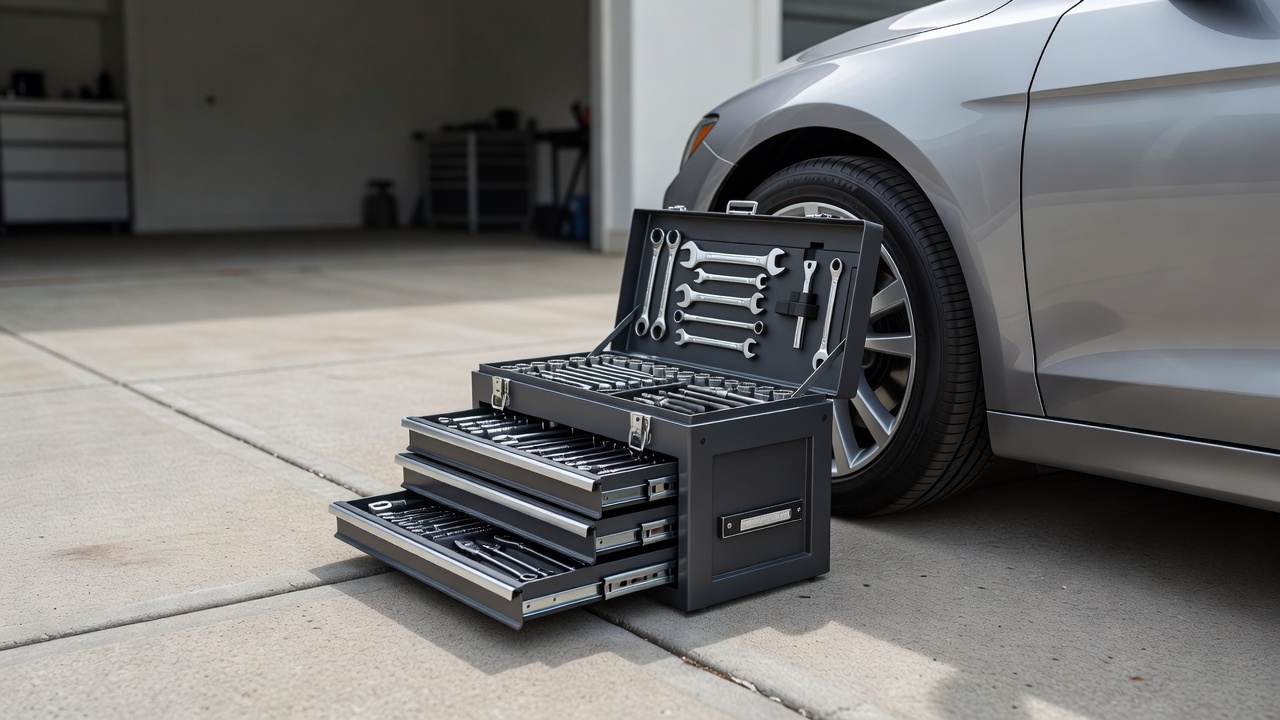
The work for your driveway
Some tasks are genuinely better performed at the customer's home than in a garage, and these are the ones to base your business on.
- Diagnostics, where knowledge is key rather than lifting gear.
- Batteries, alternators, starters, and most electrical tasks.
- Brakes on many vehicles, where the work is contained and predictable.
- Servicing, filters, and fluids, provided waste can be managed and removed.
- Pre-purchase inspections, which are much more effective where the car is located.
What they share is predictability in duration, requiring no lifting beyond a jack and axle stands, and are unlikely to turn into jobs that can't be completed the same day.
Jobs to decline, and why:
Becoming a mobile mechanic means judging jobs, because being able to do one is not the same as it being sensible on a driveway.
Any job needing the car in the air for long, where a seized fastener turns two hours into six, or that leaves the vehicle undriveable if it goes wrong belongs in a garage. The risk isn't the difficulty, but that a mobile mechanic who can't finish leaves a customer without a car and no space to move it into.
Weather, light, and the surface matter too. A sloping gravel driveway isn't a place for a car on stands, and being willing to say so is a professional judgement, not a lost job.
Parts are the toughest logistics issue.
A garage orders parts and starts tomorrow. Becoming a mobile mechanic means arriving first and finding out later.
Accurate identification before arrival makes the difference between a completed job and a wasted morning. Taking the registration and confirming the variant, rather than relying on the customer's fault description, ensures you arrive with the right part.
Most operators settle on a two-visit model for uncertain jobs: a charged diagnostic visit that provides an answer, then a return with the correct parts. Customers accept this when explained at booking but resent it when discovered on the day.
Pricing travel and uncertainty
Two costs sit outside the labour and are routinely absorbed.
Travel each way is the obvious one. The less obvious is uncertainty: a mobile job that differs from the one booked has no bay to absorb the overrun, affecting the rest of the day, not just that hour.
A minimum charge, a diagnostic fee credited against the repair, and a stated radius cover most of it. So does quoting a range rather than a figure for anything not yet diagnosed, which is honest and avoids the dreaded conversation.
Waste, weather and the unspoken issues
A driveway lacks a drain, covered bay, and waste collection; all three are your responsibility, not the customer's.
Oil, coolant, filters, and old parts must leave with you and be disposed of correctly, under the same duty of care as a garage. Working in the rain raises health and safety concerns as well as comfort; a customer wanting work done in a downpour should be rescheduled.
Being clear about this at booking distinguishes a professional operation from someone with a toolbox, filtering out jobs that were unlikely to succeed.
What the business truly needs to function
Trade skills are assumed. Transitioning to a mobile mechanic business rather than just a series of jobs relies on less obvious factors.
Insurance covering work on customer vehicles off-site, as a policy for a garage may not apply. A method for taking payment before you leave. A system for records to ensure returning customers are recognised. A booking process that accurately captures vehicle details rather than relying on a phone call and a note.
None of this is thrilling, yet it transforms a series of jobs into a sustainable operation when busy, the point where most sole traders either grow into a business or stall.
Common questions
What work is suitable for a mobile mechanic?
Diagnostics, electrical work, batteries, brakes on various vehicles, servicing, and pre-purchase inspections. They share predictable duration, no prolonged lifting, and minimal risk of becoming unfinished tasks.
What jobs should a mobile mechanic refuse?
Any job requiring the car to be elevated for long, any where a seized fastener extends two hours into six, and anything that leaves the vehicle undriveable if it fails. The risk isn't difficulty; it's leaving a customer without a car and no bay to move it to.
How do you manage parts as a mobile mechanic?
Identify accurately before arrival: take the registration and confirm the variant, not just rely on the fault description. For uncertainties, a paid diagnostic visit followed by a return with the correct parts, explained at booking.
How should mobile mechanic jobs be priced?
Include travel each way, a minimum charge, and a diagnostic fee deducted from the repair. If a mobile job differs from the booking, there's no bay to absorb the extra time, impacting the whole day, not just an hour.
What does a mobile mechanic require apart from tools?
Insurance covering customer vehicles off-site, a method to take payment before leaving, a system for live records to recognise returning customers, and a booking process that accurately captures vehicle details. This is what turns it into a business, not just a series of jobs.
Read more like this
Tyre pricing without the spreadsheet
Tyre pricing by hand drifts out of date the moment a supplier list changes. Price by rule instead, and let the rules do the updating.
Vehicle registration lookup
Vehicle registration lookup removes the biggest drop-off in online tyre sales: the moment you ask a customer for a size they do not know.
The EU tyre label on your storefront
The EU tyre label is an obligation and a sales tool. Here is what a shop has to display, where the data comes from, and how to use it to trade up.