
Riepu utilizācija un pienākums, kas nepazūd ar furgonu.
Atkritumi ir vismazāk interesanta tēma darbnīcā un viena no retajām, kur atbildība seko jums pēc materiāla iznīcināšanas. Lēts savācējs, kurš slikti utilizē jūsu riepas, ir problēma, kas atgriežas ar jūsu vārdu.
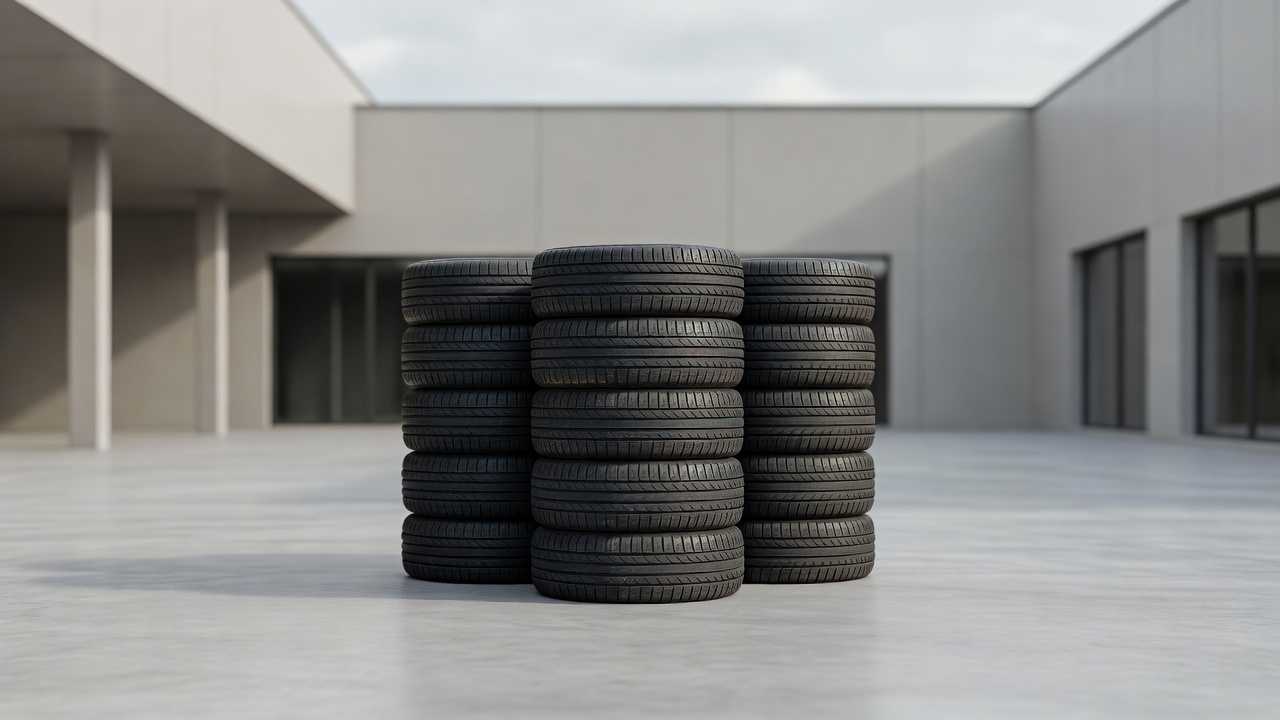
Atbildība nepāriet.
Lielākajā daļā jurisdikciju uzņēmumam, kas ražo atkritumus, ir pienākums par tiem rūpēties, un to nodošana citai personai šo pienākumu nebeidz.
Praktiski tas nozīmē, ka jums jāpārbauda, vai persona, kas ņem jūsu atkritumus, ir tam pilnvarota, un jātur pierādījumi par to, kur tie nonākuši. Ja tie tiek izmesti nelegāli, atbildība atgriežas pie ražotāja, un "kāds to lēti savāca" nav aizsardzība nekur.
Precīza shēma un dokumentācija atšķiras atkarībā no valsts, tāpēc uzskatiet savu vietējo regulatoru par autoritāti. Principi ir pietiekami konsekventi, lai plānotu: pārbaudiet pārvadātāju, saglabājiet ierakstu.
Ko pārbaudīt pirms kolektora izmantošanas
Tas prasa vienu sarunu, un tā ir atšķirība starp ikdienas izmaksām un atbildību.
- Ka viņiem ir visa nepieciešamā atļauja atkritumu pārvadāšanai, un tā ir spēkā.
- Kur riepas faktiski nonāk un kas ar tām notiek.
- Kāda dokumentācija viņi sniedz katrai kolekcijai un vai tajā ir norādīta galamērķis.
- Vai cena ir par riepu, par kolekciju vai jaukta, un kas ir izslēgts.
- Cik ātri viņi savāc, jo uzglabāšanas ierobežojumi parasti ir daļa no tiem pašiem noteikumiem.
Kolektors, kurš nevar ātri atbildēt uz pirmajiem trim jautājumiem, jums kaut ko saka. Tie, kas darbojas pareizi, atbild bez vilcināšanās, jo viņiem to jautā pastāvīgi.
Saglabājiet dokumentus, jo tie ir vienīgais pierādījums.
Dokumenti ir visa aizsardzība, un tie ir bezvērtīgi, ja atrodas atvilktnē, kuru neviens nevar pārbaudīt.
Saglabājiet pārsūtīšanas dokumentāciju katrai kolekcijai tik ilgi, cik prasa jūsu jurisdikcija, sakārtotu, lai to varētu ātri atrast. Ja tas pats kolekcionārs nāk katru nedēļu, parasti pietiek ar vienu līgumu un datētām kolekcijas atskaitēm, bet pārliecinieties, ka tas ir pieņemami vietēji.
Ir vērts skaidri noteikt, kurš ir atbildīgs par dokumentu glabāšanu. Atkritumu dokumenti ir klasiskā uzdevums, ko visi pieņem, ka kāds cits ir izdarījis, un to trūkums tiek atklāts tikai tad, kad tie tiek pieprasīti.
Iekasējiet to, redzami un konsekventi.
Riepu utilizācija ir reāla izmaksu pozīcija, un darbnīcas to parasti uzņem, vai nu ieraduma dēļ, vai bailēs, ka tās rādīšana izskatās pēc uzpūšanas.
Rādīt to kā atsevišķu pozīciju šajā nozarē ir normāli, un klienti to sagaida. Problēmas rodas no nesakritības: maksa, kas parādās dažās rēķinos, bet ne citos, vai kas nekad netika pieminēta piedāvājumā un parādās beigās.
Tīrākais risinājums ir iekļaut to fiksētā cenā, kas tiek piedāvāta iepriekš, ar detalizāciju, ja tiek lūgta. Jebkurā gadījumā izmaksām jābūt lēmumam, nevis kaut kam, ko darbnīca klusi finansē.
Uzglabāšana ir vieta, kur atrodas atbilstības risks.
Lielākā daļa izpildes problēmu šajā jomā nav saistītas ar utilizāciju, bet gan ar uzkrāšanos.
Atkritumu riepu uzglabāšana parasti ir ierobežota gan pēc daudzuma, gan ugunsdrošības prasībām, jo liels kaudze ir reāls apdraudējums un grūti nodzēšams ugunsgrēks. Ierobežojumi atšķiras, bet praktiskā versija visur ir tāda pati: vākt pietiekami bieži, lai kaudze nekļūtu par problēmu.
Tam ir grafika sekas, ko vērts pamanīt. Lēts kolekcionārs, kas nāk reizi mēnesī, var izmaksāt vairāk nekā dārgāks, kas nāk katru nedēļu, kad tiek ņemts vērā uzglabāšanas vietas un riska faktors.
Pārējie atkritumu plūsmas
Riepas ir redzamās, un autoserviss ražo vairākas citas regulētas plūsmas ar līdzīgiem noteikumiem.
Atkritumu eļļa, filtri, bremžu šķidrums, dzesēšanas šķidrums, akumulatori un piesārņotas lupatas tiek apstrādātas saskaņā ar saviem noteikumiem, parasti ar atsevišķiem uzglabāšanas nosacījumiem un dokumentāciju. To sajaukšana parasti ir gan atbilstības pārkāpums, gan dārgs, jo piesārņota krava var tikt noraidīta vai pārklasificēta.
Praktiskais risinājums, uz kuru lielākā daļa autoservisu nonāk, ir viens līgums ar vairākiem plūsmām un vienu dokumentu komplektu, kas ir vieglāk pārvaldāms nekā četri partneri un četri dokumentu ieradumi.
Biežāk uzdotie jautājumi
Kas ir atbildīgs par atkritumu riepām pēc savākšanas?
Lielākajā daļā jurisdikciju uzņēmums, kas radījis atkritumus, saglabā rūpības pienākumu, un to nodošana to nebeidz. Jums jāpārbauda, vai pārvadātājs ir autorizēts, un jātur pierādījumi par to, kur tas devās, jo ceļš ved atpakaļ pie ražotāja.
Ko man jāpārbauda, izvēloties savācēju?
Vai viņu autorizācija ir aktuāla, kur tieši riepas nonāk, kādu dokumentāciju viņi sniedz katrai savākšanai, kā darbojas cenas un cik bieži viņi savāc. Savācējs, kurš nevar ātri atbildēt uz pirmajiem trim jautājumiem, jums kaut ko saka.
Vai riepu utilizācija jāmaksā klientam?
Tas ir reāls izmaksu postenis un tā norādīšana ir normāla prakse. Problēmas rodas no nesakritības: parādīšanās dažās rēķinos un ne citos vai nekad neminēšana piedāvājumā. Iekļaušana piedāvātajā uzstādītajā cenā ir vēl tīrāka.
Vai ir ierobežojumi atkritumu riepu uzglabāšanai?
Parasti jā, gan pēc daudzuma, gan ugunsdrošības prasībām, jo liels kaudze ir nopietns risks. Lielākā daļa uzraudzības problēmu šajā jomā ir saistītas ar uzkrāšanu, nevis utilizāciju, tāpēc savākšanas biežums ir svarīgāks, nekā šķiet.
Kas notiek ar eļļu, filtriem un citiem atkritumiem?
Tie tiek apstrādāti atbilstoši prasībām ar atsevišķu uzglabāšanu un dokumentāciju, un plūsmu sajaukšana ir gan atbilstības pārkāpums, gan dārga, jo piesārņota krava var tikt noraidīta. Lielākā daļa autoservisu izvēlas vienu piegādātāju vairākām plūsmām.
Lasīt vairāk līdzīga satura
Riepu cenas bez izklājlapas
Roku noteiktas riepu cenas noveco, tiklīdz mainās piegādātāju saraksts. Cenas nosaki pēc noteikumiem, ļaujot tiem atjaunoties.
Transportlīdzekļa reģistrācijas meklēšana
Transportlīdzekļa reģistrācijas meklēšana novērš lielāko kritumu tiešsaistes riepu pārdošanā: brīdī, kad jautājat klientam par nezināmu izmēru.
ES riepu marķējums jūsu veikalā
ES riepu marķējums ir pienākums un pārdošanas rīks. Šeit ir, kas jāparāda veikalā, no kurienes nāk dati un kā tos izmantot, lai palielinātu pārdošanu.