
Padangų serviso įranga, svarbia tvarka.
Įranga yra ta dalis, kuri įrengiant atrodo kaip pažanga, todėl nauji servisai čia dažnai išleidžia per daug. Naudingas klausimas nėra, kaip atrodo pilnas servisas, bet ko reikia prieš pirmą klientą ir kas gali palaukti, kol bus pajamų.
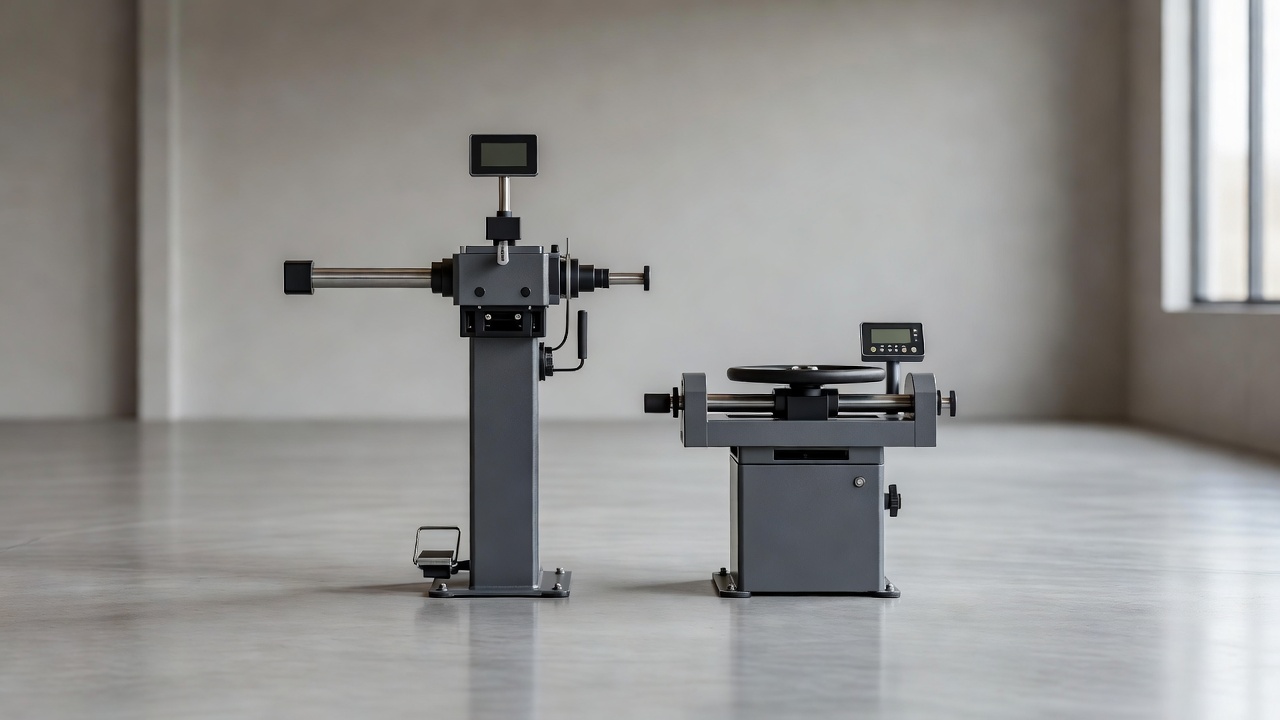
Pirkite tiems ratams, kuriuos iš tikrųjų matysite.
Brangiausia klaida padangų serviso įrangoje – nurodyti tai, ką įsivaizduojate, o ne tai, kas reikalinga jūsų regione.
Autoservisas, aptarnaujantis įprastus automobilius, turi kitokių galimybių nei tas, kuris dirba su didelėmis ratlankiais, žemoprofilinėmis padangomis, run-flat arba lengvais komerciniais automobiliais; kainų skirtumas tarp šių specifikacijų yra didelis. Spėliojimas aukštyn švaisto kapitalą; spėliojimas žemyn reiškia atsisakyti darbo arba sugadinti ratus.
Pigus būdas sužinoti – pažiūrėti, kas vietoje stovi ir koks yra automobilių mišinys jūsų regione, prieš įsipareigojant. Šie duomenys yra patikimesni nei prielaidos apie klientus, kuriuos tikitės pritraukti.
Trys, kurie lemia, ar galite dirbti
Beveik viskas kitas pradžioje yra neprivaloma. Šie – ne.
- Padangų keitiklis, pritaikytas ratų dydžiams ir tipams, su kuriais susidursite, įskaitant, ar reikia pagalbinių rankų kietoms šoninėms sienelėms.
- Ratlankių balansavimo įranga, nes nebalansuotas ratas reiškia grįžimą, o grįžimai yra neapmokamas darbas.
- Saugus automobilio pakėlimo būdas, nesvarbu, ar tai yra rampos, ar keltuvai ir stovai, tinkami darbui.
Momentiniai raktai priklauso tai pačiai kategorijai, nors kainuoja mažiau nei kiti, nes ratus priveržti pagal jausmą yra vienas nesėkmingas atvejis, kurio rezultatas nepriimtinas.
Kur pigus pirkimas kainuoja brangiau
Įrangos ekonomika padangų servise yra neįprasta: pigus variantas dažnai veikia, o kaina pasireiškia laiku ir sugadinimais, o ne nesėkme.
Lėtas keitiklis kainuoja minutes kiekvienam darbui, o minutės kiekvienam darbui yra skirtumas tarp penkių ir septynių automobilių ryte. Keitiklis, kuris pažeidžia ratlankius, kainuoja jums rato atnaujinimą ir klientą. Balansavimo įranga, kuriam reikia dviejų bandymų, kainuoja tą patį laiką du kartus.
Skaičiavimas nėra kaina prieš kainą, o kaina prieš darbų skaičių per dieną ir retkarčiais sugadintų ratų kainą. Dviem mašinomis, kurias naudojate kas valandą, dažniausiai geresnių pirkimas yra naudingesnis nei atrodo patogu.
Kas gali palaukti
Daugelis dalykų, kurie yra pilno serviso sąraše, verta atidėti, kol darbas to pareikalaus.
Geometrijos įranga yra aiškiausias pavyzdys: tai didelė investicija, reikia vietos ir mokymo, ir visiškai protinga perduoti šį darbą, kol jo nepakanka, kad būtų verta turėti tokią galimybę. Tas pats taikoma specializuotiems įrankiams, skirtiems transporto priemonėms, kurias retai matote.
Išbandymas yra, kaip dažnai bus naudojama įranga ir kokios alternatyvos kainuoja. Siųsti vieną darbą per savaitę yra pigiau nei turėti mašiną, kuri stovi; siųsti vieną per dieną - ne.
Priežiūra yra pirkimo dalis
Nepalaikoma įranga lėtėja ir pradeda gadinti dalykus, o abu procesai vyksta pakankamai palaipsniui, kad niekas nepastebėtų perėjimo.
Klausykite apie aptarnavimą, dalių prieinamumą ir kalibravimą prieš pirkdami, o ne po. Balansavimo įranga, kuri negali būti kalibruojama vietoje, yra įranga, kuria galiausiai pasitikėsite, o keitiklis, kurio sunaudojamos dalys sunkiai gaunamos, tampa siauruoju tašku pačiu blogiausiu momentu.
Planuokite tai kaip nuolatinę išlaidą, o ne kaip retą staigmeną. Tai yra mažai palyginus su mašinomis ir tai išlaiko darbų skaičių per dieną ten, kur jis buvo, kai jas pirkote.
Protingas naudotų pirkimas
Naudota padangų serviso įranga gali būti puiki vertė, o rizika koncentruojasi tam tikrose vietose.
Dėvimos dalys, elektronika ir kalibravimas yra vietos, kur slepiasi pinigai. Gerai naudota mašina iš užimto serviso, kuri buvo aptarnauta, dažnai yra geresnis pirkinys nei mažai naudota, kuri stovėjo drėgnoje patalpoje, o aptarnavimo istorija pasako, ką žiūrite.
Pamatykite, kaip veikia ant tikro rato prieš pirkdami, o ne kampelyje. Svarbiausi gedimai pasireiškia apkrovos metu, o penkių minučių demonstracija ant tikro rato yra vertingesnė už bet kokį aprašymą.
Dažnai užduodami klausimai
Kokios padangų serviso įrangos reikia pradėti?
Padangų keitiklis, atitinkantis matomas padangas, ratų balansavimo įranga, saugus transporto priemonės kėlimo būdas ir sukimo momentų raktai. Viskas kitas gali palaukti, kol to prireiks.
Ar verta pirkti geresnę įrangą nei minimali?
Dviem mašinomis, naudojamomis kas valandą, paprastai taip. Lėtas keitiklis kainuoja minutes kiekvienam darbui, o tas, kuris pažeidžia aliuminius, kainuoja remontą ir klientą, todėl palyginimas yra kaina prieš darbus per dieną, o ne kaina prieš kainą.
Ar turėčiau anksti pirkti sureguliavimo įrangą?
Paprastai ne. Tai reikšminga investicija, reikalaujanti vietos ir mokymo, o darbų perdavimas yra priimtinas, kol jų pakanka. Išbandykite, kaip dažnai ji būtų naudojama, palyginti su alternatyvos kaina.
Ar naudota padangų montavimo įranga yra gera idėja?
Tai gali būti puiki vertė, su rizika, koncentruota į nusidėvėjimo dalis, elektroniką ir kalibravimą. Gerai naudota, aptarnauta mašina iš užimto serviso dažnai pranoksta mažai naudotą, kuri stovėjo drėgnoje patalpoje. Pamatykite, kaip ji veikia ant tikro rato.
Kaip nuspręsti dėl specifikacijos?
Remiantis transporto priemonių mišiniu jūsų regione, o ne klientais, kuriuos tikitės pritraukti. Dideli aliuminiai, žemi profiliai, run-flat padangos ir lengvos komercinės transporto priemonės keičia specifikaciją, o kainų skirtumas tarp jų yra reikšmingas abiem kryptimis.
Skaitykite daugiau panašiai
Padangų kainos be skaičiuoklės
Rankiniu būdu nustatytos padangų kainos greitai pasensta. Nustatykite kainas pagal taisykles ir leiskite joms atnaujinti.
Transporto priemonės registracijos paieška
Transporto priemonės registracijos paieška pašalina didžiausią nuostolį internetu parduodant padangas: kai klientas nežino dydžio.
ES padangų etiketė jūsų parduotuvėje
ES padangų etiketė yra privaloma ir pardavimo įrankis. Štai ką turi rodyti parduotuvė, iš kur gaunami duomenys ir kaip juos naudoti.