対象業種 ネットワーク 料金 無料で始める
在庫

Tyre stock control without a wall of dead rubber.

Every tyre on your racks is cash you have already spent. Every size you do not hold is a job that either waits for a delivery or goes elsewhere. Tyre stock control is the trade between those two, and most shops manage it on memory.

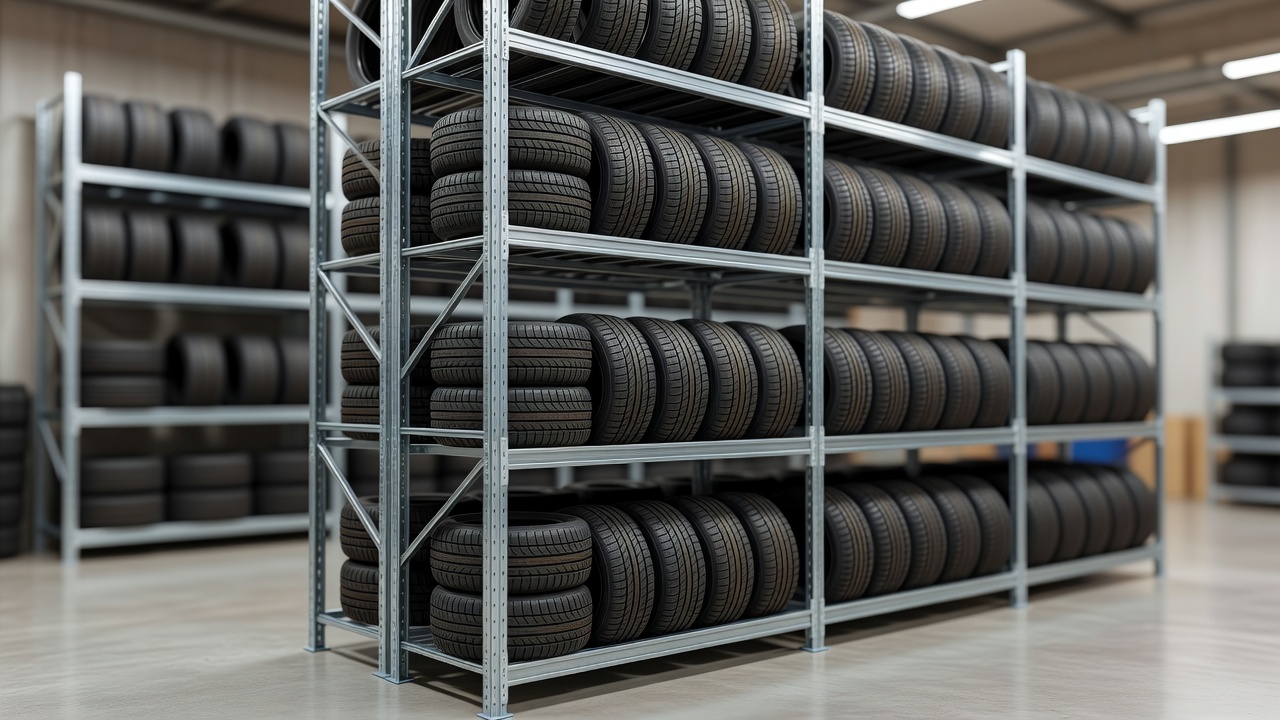
Tyres stacked on warehouse racking in a workshop store

Know what actually sells, not what you remember

Ask most workshops which sizes they sell and you get a list that reflects the last few weeks rather than the year.

The useful view is a ranked list of fitments by volume over twelve months, with the seasonal shape visible. It almost always shows a short head of sizes doing a large share of the work and a very long tail that each sells once or twice.

That shape is the whole basis of tyre stock control. Hold the head, order the tail, and stop treating both as the same decision.

Hold the head, order the tail

A small number of common fitments will cover a surprising proportion of your bookings, and those are the ones worth having on the rack because they turn over fast enough to be cash rather than clutter.

The tail should be bought against confirmed jobs. That means the customer accepts a short wait, which most will if it is stated honestly at booking rather than discovered later.

What breaks this is buying tail stock speculatively because a supplier deal looked good. A discounted tyre that sits for eighteen months was not a saving, it was a loan to your supplier at your expense.

Seasonality is predictable, so plan it

Tyre demand is not flat. Weather changes what sells, when, and by how much, and the swings are large enough to plan around.

  • Cold snaps produce a spike in demand that arrives faster than most suppliers can restock.
  • Wet autumn weather brings forward replacements that would otherwise have waited.
  • Holiday periods shift demand towards long-distance drivers checking before a trip.
  • Inspection seasons in your market create predictable clusters of advisory work.
  • The tail lengthens in winter, because winter and all-season fitments multiply the sizes you might need.

None of that is a surprise in hindsight, which is the point. A shop that builds a small seasonal buffer ahead of the swing sells at full price while everyone else is waiting for stock.

Count it, and count it often enough to trust

Stock records that nobody trusts are worse than no records, because staff start working around them and the gap widens.

Rolling counts of the fast-moving lines beat an annual full count for exactly this reason: they are small enough to actually happen and frequent enough to keep the numbers credible.

What matters more than the method is closing the loop. When a count finds a discrepancy, the useful question is how it happened rather than only correcting the number, because the same cause will produce the same discrepancy next month.

Connect stock to the booking, not just the invoice

The most expensive stock failure is not a miscount, it is a booking taken for a tyre you do not have and cannot get in time.

That happens whenever the booking system and the stock record are separate things reconciled by a person. The job is accepted, the customer arrives, and somebody discovers the problem in the bay.

When availability is visible at the point of booking, the same enquiry becomes an honest conversation about a date. Slightly less convenient, considerably better than a wasted slot and an apology.

Deal with what is not moving

Every workshop accumulates lines that no longer sell, and the instinct is to leave them there because writing them off feels like admitting a mistake.

Aged stock costs money quietly: it occupies space, it ages, and it is cash that cannot be spent on the lines that do sell. Tyres also have a manufacture date, so a slow-moving line becomes harder to sell the longer it sits.

Review anything that has not moved in a defined period, and clear it deliberately rather than hoping. The cost is already sunk; the only remaining decision is whether to recover part of it or keep paying to store it.

よくある質問

How much tyre stock should a shop hold?

Hold the short head of fitments that do most of your volume and order the long tail against confirmed jobs. Twelve months of ranked fitment data makes that split obvious, and it is almost always a smaller head than shops expect.

Are supplier bulk deals worth taking?

On lines that already turn over fast, often yes. On tail lines bought speculatively because the price looked good, usually not: a discounted tyre that sits for eighteen months was a loan to your supplier at your expense.

How often should stock be counted?

Rolling counts of fast-moving lines beat an annual full count, because they are small enough to actually happen and frequent enough to keep the numbers credible. When a discrepancy appears, chase the cause rather than only correcting the figure.

What is the most expensive stock mistake?

Taking a booking for a tyre you do not have and cannot get in time. That happens when the booking system and the stock record are separate things reconciled by a person, and it is discovered in the bay rather than at booking.

What should I do with tyres that never sell?

Clear them deliberately on a defined review period. Aged stock occupies space, ties up cash and gets harder to sell as its manufacture date recedes. The cost is already sunk; the only decision left is whether to recover part of it.