対象業種 ネットワーク 料金 無料で始める
はじめ方

Becoming a mobile mechanic: choosing the work.

The difference between a mobile mechanic who makes a living and one who does not is rarely skill. It is job selection: knowing which work goes well on a driveway, which is possible but unprofitable, and which should be turned down before you have driven anywhere.

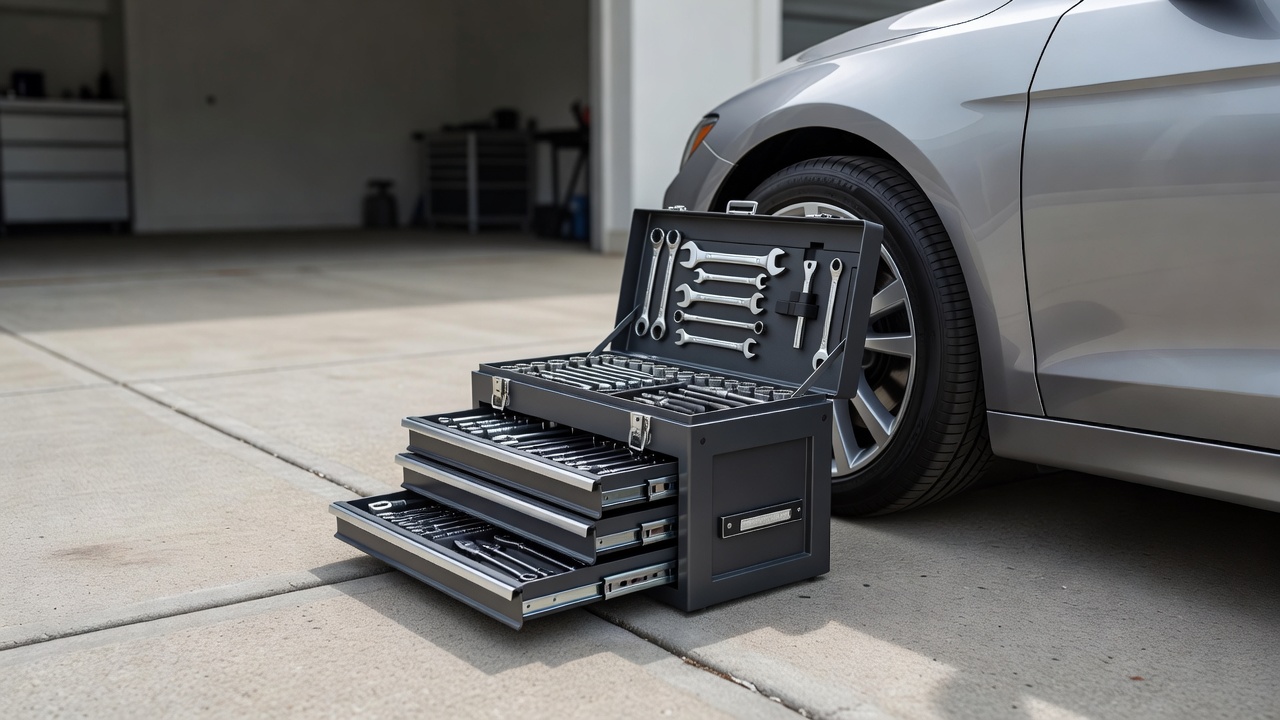
A toolbox open on a driveway beside a car

The work that suits a driveway

Some jobs are genuinely better done at the customer's home than in a workshop, and they are the ones to build a business on.

  • Diagnostics, where the value is knowledge rather than lifting equipment.
  • Batteries, alternators, starters and most electrical work.
  • Brakes on many vehicles, where the job is contained and predictable.
  • Servicing, filters and fluids, provided waste can be contained and taken away.
  • Pre-purchase inspections, which are far more useful where the car actually is.

What these have in common is that they are predictable in duration, need no lifting beyond a jack and axle stands, and are unlikely to expand into something that cannot be finished on the day.

The work to decline, and why

Becoming a mobile mechanic means judging jobs, because being able to do one is not the same as it being sensible on a driveway.

Anything needing the car in the air for a long period, anything where a seized fastener turns two hours into six, and anything that leaves the vehicle undriveable if it goes wrong all belong in a workshop. The risk is not the difficulty, it is that a mobile mechanic who cannot finish leaves a customer without a car and no bay to move it into.

Weather, light and the surface matter too. A sloping gravel driveway is not a place to have a car on stands, and being willing to say so is a professional judgement rather than a lost job.

Parts are the hardest logistics problem

A workshop orders parts and starts tomorrow. Becoming a mobile mechanic means arriving first and finding out afterwards.

That makes accurate identification before arrival the difference between a completed job and a wasted morning. Taking the registration and confirming the variant, rather than trusting the customer's description of the fault, is what lets you arrive with the right component.

The practical shape most operators settle on is a two-visit model for anything uncertain: a diagnostic visit that is charged and produces an answer, then a return with the correct parts. Customers accept that readily when it is explained at booking, and resent it when it is discovered on the day.

Pricing the travel and the uncertainty

Two costs sit outside the labour and both are routinely absorbed.

Travel each way is the obvious one. The less obvious one is uncertainty: a mobile job that turns out to be different from the one booked has no bay to absorb the overrun, so the rest of the day is affected rather than just that hour.

A minimum charge, a diagnostic fee that is credited against the repair, and a stated radius handle most of it. So does being willing to quote a range rather than a figure for anything not yet diagnosed, which is honest and prevents the conversation everyone dreads.

Waste, weather and the things nobody mentions

A driveway has no drain, no covered bay and no waste collection, and all three are your problem rather than the customer's.

Oil, coolant, filters and old parts have to leave with you and be disposed of properly, under the same duty of care a workshop carries. Working in the rain is a health and safety question as much as a comfort one, and a customer who wants the job done in a downpour is a customer to reschedule.

Being straightforward about all of this at booking is what separates a professional operation from someone with a toolbox. It also filters out the jobs that were never going to go well.

What the business actually needs to work

The trade skills are assumed. Becoming a mobile mechanic as a business rather than a run of jobs depends on less obvious things.

Insurance that covers working on customer vehicles away from premises, since a policy written for a workshop may not follow you. A way of taking payment before you leave. Somewhere for records to live so a returning customer is recognised. And a booking process that captures the vehicle properly rather than a phone call and a note.

None of that is exciting and all of it is what turns a run of jobs into something that still works when you are busy, which is the point at which most one-person operations either become a business or stall.

よくある質問

What work suits a mobile mechanic?

Diagnostics, electrical work, batteries, brakes on many vehicles, servicing and pre-purchase inspections. What they share is predictable duration, no need for prolonged lifting, and little risk of expanding into something that cannot be finished that day.

What jobs should a mobile mechanic decline?

Anything needing the car in the air for a long period, anything where a seized fastener turns two hours into six, and anything that leaves the vehicle undriveable if it goes wrong. The risk is not difficulty, it is leaving a customer without a car and no bay to move it to.

How do you handle parts as a mobile mechanic?

By identifying them accurately before arrival, which means taking the registration and confirming the variant rather than trusting a description of the fault. For anything uncertain, a charged diagnostic visit followed by a return with the right parts, explained at booking.

How should mobile mechanic work be priced?

With travel counted each way, a minimum charge, and a diagnostic fee credited against the repair. A mobile job that turns out different from the one booked has no bay to absorb the overrun, so the uncertainty affects the whole day rather than one hour.

What does a mobile mechanic need besides tools?

Insurance that covers customer vehicles away from premises, a way to take payment before leaving, somewhere records live so returning customers are recognised, and a booking process that captures the vehicle properly. That is what makes it a business rather than a run of jobs.