
Autotöökoja kliendikogemus, neli hetke, mis loevad.
Kliendid ei saa hinnata remondi kvaliteeti. Nad saavad hinnata kõike selle ümber, ja just seda nad kasutavad, et otsustada, kas olete hea, mis on ebamugav ja millega tasub tegeleda, mitte mitte vihata.
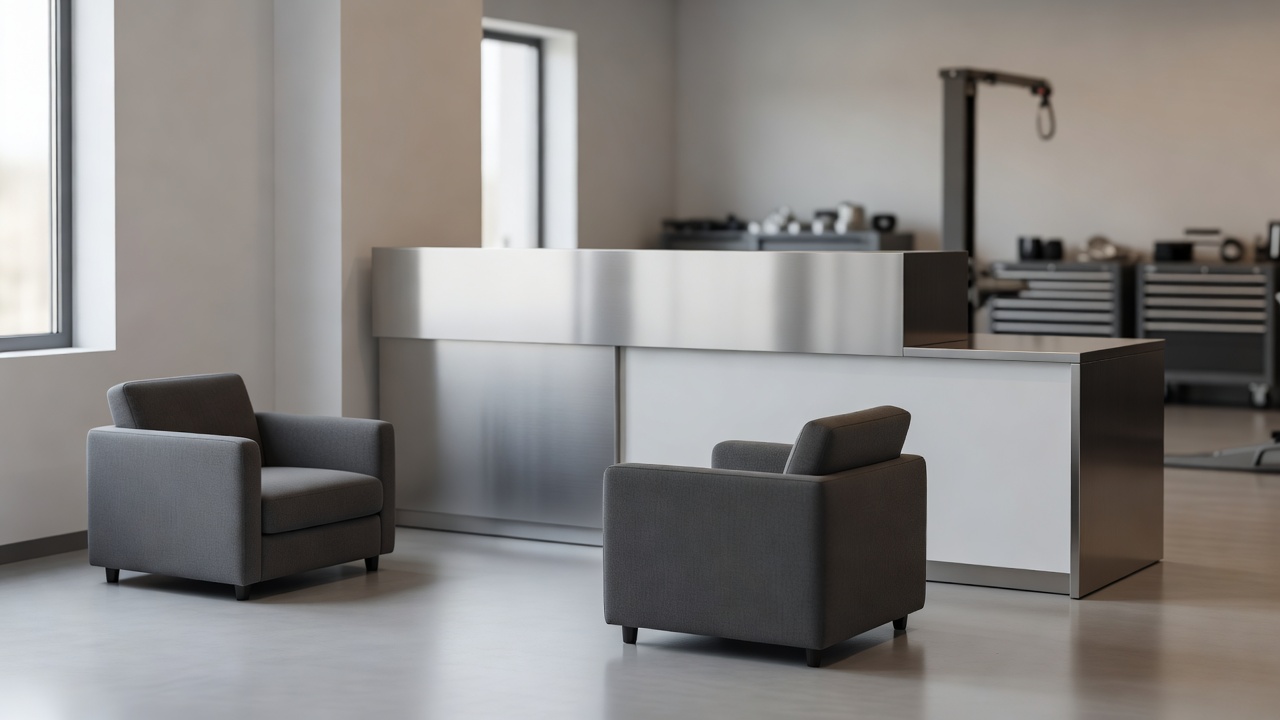
Nad hindavad seda, mida nad näevad
Kliendil pole võimalust hinnata, kas pidurite töö tehti hästi. Nad teavad, kas auto oli lubatud ajal valmis, kas hind vastas pakkumisele ja kas keegi ütles neile, mis toimub.
See ei ole pinnapealne, vaid ratsionaalne: need on ainsad saadaval olevad signaalid. Autotöökoda, mis teeb suurepärast tööd, kuid suhtleb halvasti, on väljastpoolt tõeliselt eristamatu autotöökodast, mis teeb keskpärast tööd, kuid suhtleb hästi.
Praktiline tagajärg on see, et autotöökoda kliendikogemus põhineb peamiselt vähestel hetkedel, mitte üldisel standardil, ja igaühe õige saamine on odav, kui need on tuvastatud.
Saabumine: esimesed üheksakümmend sekundit
Esmakordselt autotöökotta saabuv inimene on veidi ettevaatlik, kuna enamik inimesi ootab, et neile müüakse midagi, mida nad ei mõista.
Seda aitab lahendada ootamine. Broneering, mis on ekraanil nähtav, nende nimi teada, töö kinnitatud arusaadavas keeles ja selge teade, mis juhtub järgmisena ja millal. See ei võta kauem aega kui alternatiiv ja eemaldab kaitsepositsiooni, millega inimesed saabuvad.
Füüsiline keskkond mängib samuti rolli, kuid vähem, kui inimesed arvavad. Puhtus ja korrashoid on piisavad; klient hindab, kas koht näeb välja kontrolli all, mitte kas istumine on mugav.
Keskmine: uuendus, mida keegi ei saada
See on hetk, mille enamik autotöökodasid vahele jätab ja mille üle kliendid kõige rohkem kaebavad.
Klient, kelle auto on olnud teie juures alates kella kaheksast hommikul ja kes ei ole kaheks saanud mingit teavet, on hakanud seletust koostama, ja see ei ole harva hea. Lühike sõnum, et see on graafikus või ei ole ja siin on põhjus, maksab peaaegu mitte midagi ja hoiab ära kogu kategooria.
Halva uudise korral on see veelgi olulisem. Klient, kellele öeldakse kell kaks, et töö venib, tunneb end ebamugavalt. Sama klient, kellele öeldakse kell viis, saabudes, on vihane, ja erinevus on täielikult ajastuses, mitte faktis.
Üleandmine: selgita, ära õigusta
Kogumise vestlus määrab, kuidas kogu külastust mäletatakse, ja see on tavaliselt kiirustatud, kuna see toimub päeva kõige kiiremas osas.
- Rääkige, mis tehti kliendi keeles, mitte osanumbrites.
- Näidake kõike, mida pildistasite, eriti seda, mis vahetati ja miks.
- Selgitage, mida oodata pärast, et vältida tagasikutsumisi.
- Kinnitage, et hind vastab pakkumisele, valjult, enne kui nad küsivad.
- Rääkige, mis järgmiseks tuleb ja millal, see on tõeliselt kasulik, mitte müügitrikk.
Kolmkümmend kuni kuuskümmend sekundit, järjepidevalt, aitab rohkem hoidmisel kui ükski lojaalsusprogramm, sest see on ainus osa külastusest, kus klient õpib, mille eest ta maksis.
Ootav klient on teine töö.
Keegi, kes jääb tööde ajal, jälgib kõike, ja autotöökoda kliendikogemus on selles tunnis erakordselt nähtav.
Andke neile realistlik aeg, mitte optimistlik, sest klient, kellele öeldi üheksa kümmet minutit ja lõpetati kaheksakümne minutiga, on rõõmus, samas kui sama töö, millele anti tund, toob kaebuse. Puhtas kohas istumine, töötav ühendus ja aus vastus, kui küsitakse, kui kaua on jäänud, katab peaaegu kõik.
Rikkumiseks on unustamine. Ootav klient, kes peab tulema ja küsima, on õppinud, et keegi ei mõelnud nende peale, ja see mulje jääb püsima isegi hea remondi juures. Kes iganes on vastuvõtulauas, peaks teadma, kes ootab, ilma kontrollimata.
Pärast: osa, mida peaaegu keegi ei tee.
Külastus ei ole kogemuse lõpp, ja töökodade, kes järgivad, on väike vähemus.
Lühike sõnum paar päeva hiljem, küsides, kas kõik on hästi, teeb kolm asja: tuvastab probleemi enne, kui see muutub arvustuseks, on loomulik hetk küsida arvustust, kui vastus on jah, ja muudab järgmise meeldetuletuse järjepidevuseks, mitte turunduseks.
See on ka odavaim kliendi hoidmise tegevus, ja selle haruldus on see, mis selle tõhusaks teeb. Klient, kellelt ei ole kunagi küsitud, kuidas auto on, mäletab seda, kes küsis.
Küsimused
Mille järgi kliendid autotöökoda hindavad?
Mida nad näevad: kas auto oli valmis lubatud ajal, kas hind vastas pakkumisele ja kas keegi hoidis neid kursis. Nad ei saa remonti hinnata, seega on need ainsad signaalid, mida kasutada, ja nende kasutamine on ratsionaalne, mitte pinnapealne.
Mis on saabumisel oluline?
Ootamine. Broneering ekraanil, nende nimi teada, töö kinnitatud selges keeles ja selge teade, mis edasi toimub. See eemaldab enesekaitse, millega enamik inimesi saabub, ja ei kesta kauem kui alternatiiv.
Kui tihti peaksin päeva jooksul klienti uuendama?
Kord päevas, ja alati varakult, kui on halbu uudiseid. Klient, kellele öeldakse kell kaks, et töö venib, tunneb end ebamugavalt; sama klient, kellele öeldakse kell viis saabumisel, on vihane, ja erinevus on ajastuses, mitte faktis.
Mis peaks toimuma üleandmisel?
Selgitage, mitte õigustage: mida tehti selges keeles, kõik, mida pildistati, mida oodata pärast, hind kinnitatud valjult pakkumisega ja mis järgmiseks tuleb. Kuuskümmend sekundit järjepidevalt on parem kui ükski lojaalsusprogramm.
Kas tasub pärast visiiti järgida?
See on odavaim kliendi hoidmise tegevus ja peaaegu keegi ei tee seda. Lühike sõnum paar päeva hiljem tuvastab probleemid enne, kui need muutuvad arvustusteks, loob loomuliku hetke küsida arvustust ja muudab järgmise meeldetuletuse järjepidevuseks.
Loe rohkem sarnaseid
Rehvide hinnakujundus ilma tabelita
Käsitsi rehvide hinnakujundus muutub kohe, kui tarnijate nimekiri muutub. Hinda reeglite järgi ja lase reeglitel uuendada.
Sõiduki registreerimise kontroll
Sõiduki registreerimise kontroll kõrvaldab suurima languse rehvide müügis: hetk, mil küsid kliendilt suurust, mida ta ei tea.
EL rehvi silt sinu kaupluses
EL rehvi silt on kohustus ja müügi tööriist. Siin on, mida pood peab kuvama, kust andmed tulevad ja kuidas neid kasutada.