
Kliendiandmed autotöökodas: mida sa hoiad.
Autotöökoda ei tundu esmapilgul andmeettevõttena, kuid seal on üllatavalt palju andmeid: nimed, aadressid, telefoninumbrid, sõiduki registreerimised, makseandmed ja sageli ka fotod sõidukitest inimeste kodude ees. Enamik on vajalik. Peaaegu mitte midagi ei hallata teadlikult.
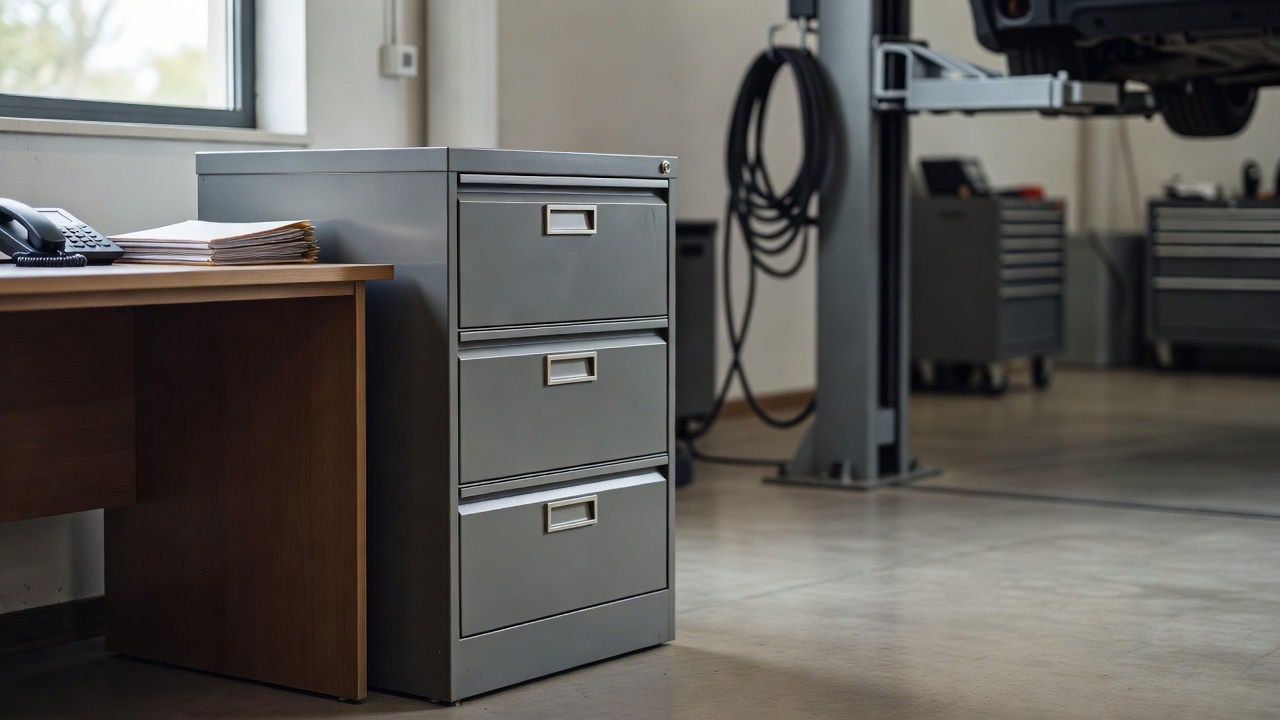
Tea, mida sa tegelikult hoiad ja kus
Esimene harjutus on inventuur, mis üllatab inimesi, sest kliendiandmed autotöökodas kogunevad rohkematesse kohtadesse, kui keegi mäletab.
Halduse süsteem on ilmselge. Vähem ilmne on jagatud postkast, telefon, mis tegi broneeringu fotosid, paberilised töökaardid sahtlis, kellegi loodud tabel turunduse jaoks, WhatsAppi vestlus floti kontaktiga ja kaardimasina andmed.
Sa ei saa kaitsta, säilitada ega kustutada seda, mida sa ei ole leidnud, seega on isikuandmete asukohtade loetelu eeltingimus kõigeks muuks selles artiklis. See võtab pärastlõuna ja seda tehakse harva.
Hoia seda põhjusega, mitte igavesti
Instinkt on hoida kliendiandmeid lõputult, arvates, et need võivad olla kasulikud ja kustutamine tundub riskantne.
See on enamikus jurisdiktsioonides vale: andmeid tuleks hoida seni, kuni on põhjus, ja seejärel eemaldada, ning rohkemate andmete pikem hoidmine suurendab kaotusi rikkumise korral, ilma et see lisaks väärtust. Teenindusajalugu on tõeliselt pikaajalise säilitamise põhjendus; nelja aasta tagune müügivihjete tabel ei ole.
Iga kategooria jaoks säilitamisperioodi seadmine, kirja panemine ja tegelik rakendamine on praktiline lahendus. Täpsed ajavahemikud varieeruvad riigiti ja sõltuvad muudest reeglitest, mis kehtivad sinu andmete kohta, seega kontrolli kohapeal, mitte ära loo numbrit ise.
Turundusel on vajalik seaduslik alus
Siin eksivad autotöökodad kõige sagedamini, tavaliselt tahtmatult.
- Klient, kes annab oma numbri, et teada saada, et tema auto on valmis, ei ole nõustunud pakkumisi saama.
- Teenuse meeldetuletusi ja turundust käsitletakse paljudes jurisdiktsioonides erinevalt, seega on oluline teada piire.
- Nõusolek tuleb dokumenteerida, sealhulgas, millal ja kuidas see anti.
- Iga turundussõnum peab sisaldama võimalust loobuda, mida tuleb kiiresti austada.
- Ostetud nimekiri kohalike sõiduki omanike kohta ei ole peaaegu kunagi seaduslikult kasutatav, olenemata müüja väidetest.
Praktiline reegel, mis hoiab enamikku töökodadest turvalisena, on küsida teenuse hetkel ja dokumenteerida vastus, mitte eeldada, et suhe tähendab luba.
Fotod ja kontrolliandmed
Digitaalsed sõiduki kontrollid on suurepärane praktika ja loovad andmekategooria, millele tasub mõelda.
Sõiduki foto võib sisaldada registreerimisnumbrit, sõiduteed, maja numbrit ja mõnikord ka peegelduses olevat inimest. See on enamikus raamistikus isikuandmed ja jääb tehniku telefonile, kui süsteem ei salvesta seda keskuses.
Hallatav versioon on, et pildid lähevad tööandmetesse, mitte ei jää isiklikele seadmetele, ja telefon ei ole arhiiv. Samuti on hea klientidele öelda, et pildistate nende sõidukit, mis on hea praktika ja rahustav, mitte hirmutav.
Päringud ja rikkumised jõuavad lõpuks kohale
Kaks asja juhtub iga ettevõttega, mis hoiab andmeid piisavalt kaua, ja mõlemad lähevad halvasti, kui plaani pole.
Kliendi soov saada koopia teie valduses olevast või paluda see kustutada on enamikus jurisdiktsioonides ajaliselt piiratud taotlus. Teades, kus andmed asuvad, mida inventuur näitab, muudab vastamise võimalikuks, mitte hirmutavaks.
Teine on rikkumine. Varastatud sülearvuti, vale aadressile saadetud e-kiri või kompromiteeritud postkast loetakse kõikeks, ja tavaliselt on lühikese tähtajaga aruandekohustused. Vastus on palju parem, kui keegi on sellele eelnevalt mõelnud, kui et see leiutatakse õhtul kell kaheksa.
Praktilised sammud, mis katab enamikku sellest
Selleks ei ole väikese autotöökoda jaoks spetsialisti vaja, ja mõned harjumused katavad enamiku.
Hoia kliendiandmed ühes süsteemis, mitte viies. Anna inimestele nende isiklikud sisselogimised, mitte jagatud, et juurdepääs oleks jälgitav. Eemalda juurdepääs, kui keegi lahkub, see on kõige sagedamini unustatud samm. Ära kanna kliendiloendeid isiklikes seadmetes. Kontrolli, mida sinu tarnijad ja tarkvarapakkujad teevad andmetega, mida neile edastad.
Viimane punkt on olulisem, kui töökodadesse võetakse rohkem tööriistu. Iga süsteem, mis hoiab teie kliendiandmeid, on osa teie vastutusest, seega on enne allkirjastamist mõistlik küsida, kus need asuvad ja mida nad teile tagasi annavad.
Küsimused
Milliseid kliendiandmeid hoiab autotöökoda?
Rohkem, kui enamik omanikke ootab: nimed, aadressid, telefoninumbrid, registreerimised, makseandmed ja sõiduki fotod. Need asuvad ka rohkemates kohtades, kui mäletatakse, sealhulgas jagatud postkastides, tehnikute telefonides, paberil töökaartides ja vanades tabelites.
Kui kaua tuleks kliendiandmeid hoida?
Kuigi sellel on põhjus, siis eemaldatakse. Teenindusajalugu on tõeliselt pikaajalise säilitamise põhjendus, kuid nelja aasta vanune turundustabel ei ole. Määra iga kategooria jaoks periood ja rakenda see, kontrollides kohalikult, kuna reeglid varieeruvad riigiti.
Kas ma saan turundust saata varasematele klientidele?
Ainult seadusliku aluse alusel, ja number, mille kaudu klient saaks teada, et tema auto on valmis, ei ole nõusolek pakkumiste saamiseks. Teenindusmeeldetuletusi ja turundust käsitletakse sageli erinevalt. Küsi teeninduse hetkel ja registreeri vastus.
Kas sõiduki fotod on isikuandmed?
Tavaliselt jah, kuna need võivad sisaldada registreerimisnumbrit, sõiduteed ja majanumbrit. Parim lähenemine on, et pildid lähevad tööandmesse, mitte ei jää isiklikele telefonidele, ning teavitada kliente, et pildistate nende sõidukit.
Mida teha juurdepääsuga, kui töötajad lahkuvad?
Eemaldage see, mis on kõige sagedamini unustatud samm. Individuaalsed sisselogimised, mitte jagatud, muudavad juurdepääsu jälgitavaks, ja kliendiandmete hoidmine ühes süsteemis viie asemel muudab eemaldamise tõeliselt täielikuks.
Loe rohkem sarnaseid
Rehvide hinnakujundus ilma tabelita
Käsitsi rehvide hinnakujundus muutub kohe, kui tarnijate nimekiri muutub. Hinda reeglite järgi ja lase reeglitel uuendada.
Sõiduki registreerimise kontroll
Sõiduki registreerimise kontroll kõrvaldab suurima languse rehvide müügis: hetk, mil küsid kliendilt suurust, mida ta ei tea.
EL rehvi silt sinu kaupluses
EL rehvi silt on kohustus ja müügi tööriist. Siin on, mida pood peab kuvama, kust andmed tulevad ja kuidas neid kasutada.