
Servis dostavnikov, popolnoma drugačen kupec.
Dodajanje dela z lahkimi tovorniškimi vozili pomeni enake naloge na večjih vozilih, vozila so enostavna. Spremeni se kupec: dostavnik, ki ni na cesti, pomeni izgubo dohodka za lastnika, kar preuredi vse, kar mu je pomembno.
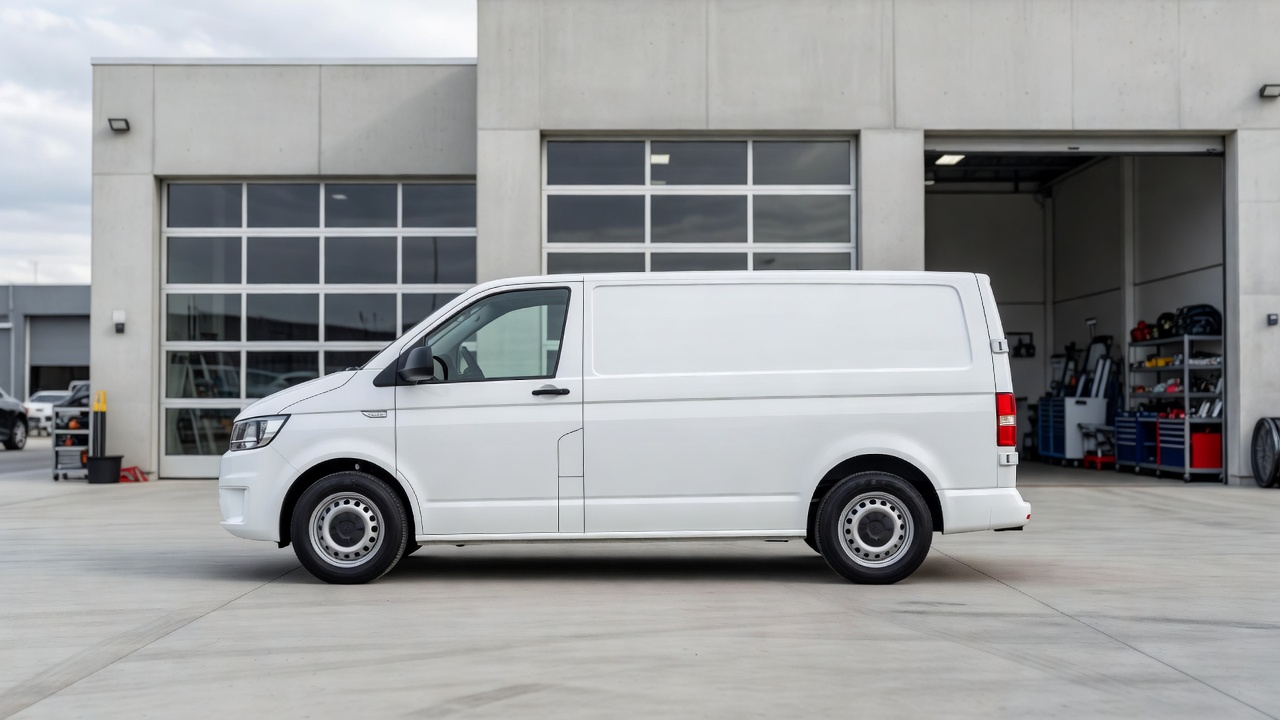
Razpoložljivost premaga ceno, in to odločilno
Lastnik avtomobila brez vozila je v nevšečnosti. Obrtnik brez dostavnika ne more zaslužiti tisti dan, razlika v stroških med obema situacijama je ogromna.
To pomeni, da lahko delavnica, ki ponuja res hitro obdelavo, ustrezno zaračuna in ostane očitna izbira, kar je redka pozicija. Tisto, kar izgubi tega kupca, ni višja ponudba, temveč delo, ki traja dva dni, ko je bil obljubljen en dan.
Praktično, dobičkonosen servis dostavnikov temelji na poštenosti glede tega, kdaj to dejansko lahko storite, ne pa na optimizmu, kdaj bi želeli.
Zgodaj, pozno in dan, ki ga nihče noče
Komerčni kupci delajo, ko delajo njihovi kupci, kar je običajno, ko ste odprti.
- Termin ob začetku dneva, ki vrne dostavnik pred delovnim dnem, je vreden premije.
- Večerni prevzem in nočno delo ustrezata strankam, ki ne morejo izgubiti dnevne svetlobe.
- Delo ob sobotah je pogosto najlažja prodaja v tem segmentu.
- Obračanje običajnih del v istem dnevu je prava prednost, ne le usluga.
- Predvidljiv čas trajanja je pomembnejši od hitrosti, saj se obrtnik lahko prilagodi znanemu dnevu.
Nič od tega ne zahteva nove opreme. Potrebno je le odločiti, da je ta segment vreden prilagoditve vašega tedna, kar je odločitev o razporedu, ne naložba.
Fizične zahteve so resnične
Servisiranje dostavnikov je tam, kjer se navdušenje sreča z delom, zato je smiselno preveriti pred oglaševanjem.
Višina in dolžina sta očitni omejitvi: visok kombi ne bo šel skozi vsaka vrata ali pod vsakim naklonom, kar je slaba izkušnja, ko stranka čaka. Teža je prav tako pomembna, saj je kapaciteta naklona določena in njeno preseganje ni stvar presojanja.
Parkiranje je omejitev, ki jo ljudje pozabijo. Dostavniki zavzamejo prostor na dvorišču hitreje kot avtomobili, in delavnica, ki sprejme tri v delovnem dnevu, lahko ugotovi, da ne more premakniti že prisotnih avtomobilov.
Deli in specifikacije se bolj razlikujejo, kot se pričakuje.
Dostavnik, ki ima enako ime kot avto, ne deli njegovih delov, komercialne različice pa se množijo.
Ocene nosilnosti, medosna razdalja, višina strehe in predelava vplivajo na to, kaj ustreza, kar pomeni, da je natančna identifikacija bolj pomembna. Preverjanje registracije, ki razjasni dejansko različico, prihrani ponovni obisk, ki stranko stane delovnega dne, in ta stranka je najmanj pripravljena to prenesti.
Pnevmatike zahtevajo posebno pozornost. Komercialne pnevmatike imajo različne obremenitvene razrede in konstrukcijo; namestitev pnevmatike za osebni avto na naložen kombi je resno vprašanje varnosti, ne le tehnična podrobnost, kar je napaka delavnic, ki kombi obravnavajo kot velik avto.
Tehnični pregled in skladnost sta pogosto pot do uspeha
Komerčna vozila pogosto nosijo obveznosti, ki jih osebni avto nima, te obveznosti pa nastopijo na določen datum, ne šele, ko pride do težave.
Za lastnika je to administrativno breme, za delavnico pa predvidljiv in načrtljiv obseg dela, ki pride ne glede na to, ali ima kombi napako. Podjetje, ki vam zaupa skladnostno delo, običajno prinese tudi popravila, saj je razdelitev med dvema dobaviteljema zanje nepraktična in ne cenejša.
Natančne zahteve se razlikujejo glede na državo in težo vozila, zato ugotovite, kaj velja lokalno, preden to ponudite. Kar je dosledno, je, da je delavnica, ki ohranja majhno floto zakonito in na cesti, v boljši poziciji kot tista, ki jo popravlja, ko se pokvari.
Ponudba za podjetje, ne za vozilo
Obrtniška oseba z enim kombijem se obnaša kot maloprodajni kupec. Podjetje s šestimi se obnaša kot flota, in ista delavnica ju pogosto obravnava enako.
Druga skupina želi načrtovano servisiranje razporejeno čez leto, ne vse v enem tednu, en sam kontakt, račune, ki jih lahko obračunajo, in vedeti, koliko jih je kombi stal v svojem življenju. Namerno ponujanje tega pretvori kupca z enim kombijem v račun, ki zapolni mirne tedne leta.
To tudi spremeni pogovor od cene k načrtu, kar je veliko boljša tema za pogovor z nekom, ki nenehno kupuje isto storitev.
Pogosta vprašanja
Je servisiranje kombijev drugačno od servisiranja avtomobilov?
Mehansko delo pogosto ni, stranka pa je povsem drugačna. Kombi, ki ni na cesti, pomeni izgubljen dohodek za lastnika, zato je čas delovanja odločilen in tisto, kar izgubi stranko, je delo, ki traja dva dni, ko je bilo obljubljeno en dan.
Kaj komercialni kupci najbolj cenijo?
Predvidljiv čas obdelave, ki ne stane delovnih ur. Prvi termini, večerni prevzemi, nočno delo in sobote so za ta segment bolj pomembni od nižje cene, večinoma gre za razporeditev, ne naložbo.
Katere fizične omejitve najprej preverim?
Višina vrat, dolžina rampe in nosilnost rampe, kar je določeno, ne pa stvar presoje. Prav tako prostor na dvorišču, saj dostavna vozila zasedajo parkirna mesta hitreje kot osebni avtomobili, tri na zaposlen dan lahko blokirajo že parkirane avtomobile.
So deli in pnevmatike za dostavna vozila drugačni?
Pogosto. Nosilnost, medosna razdalja, višina strehe in predelava vplivajo na to, kaj ustreza, zato je natančna identifikacija pomembnejša. Komercialne pnevmatike imajo različne nosilnosti in konstrukcijo, namestitev pnevmatike za osebni avto na obremenjeno dostavno vozilo pa je vprašanje varnosti, ne le tehnična podrobnost.
Kako naj ponudim podjetju z več dostavnimi vozili?
Kot načrt, ne kot delo. Načrtovano vzdrževanje čez leto, ena kontaktna oseba, odgovorni računi in evidenca stroškov za vsako dostavno vozilo. To spremeni kupca z enim vozilom v račun, ki zapolni mirne tedne.
Preberite več takšnih
Cene pnevmatik brez preglednice
Cene pnevmatik ročno hitro zastarajo ob spremembi dobaviteljev. Uporabite pravila in pustite, da ta posodabljajo cene.
Iskanje registracije vozila
Iskanje registracije vozila odpravi največje izgube pri spletni prodaji pnevmatik: ko stranka ne pozna velikosti.
EU oznaka pnevmatik na vaši trgovini
EU oznaka pnevmatik je obveznost in prodajno orodje. Tukaj je, kaj mora trgovina prikazati, od kod podatki in kako jih uporabiti za prodajo.