
Custos de energia da oficina, e para onde realmente vai.
Energia é um dos poucos custos que uma oficina pode reduzir sem afetar o trabalho, e a maior parte da economia está em três áreas pouco glamourosas, não na troca de fornecedor.
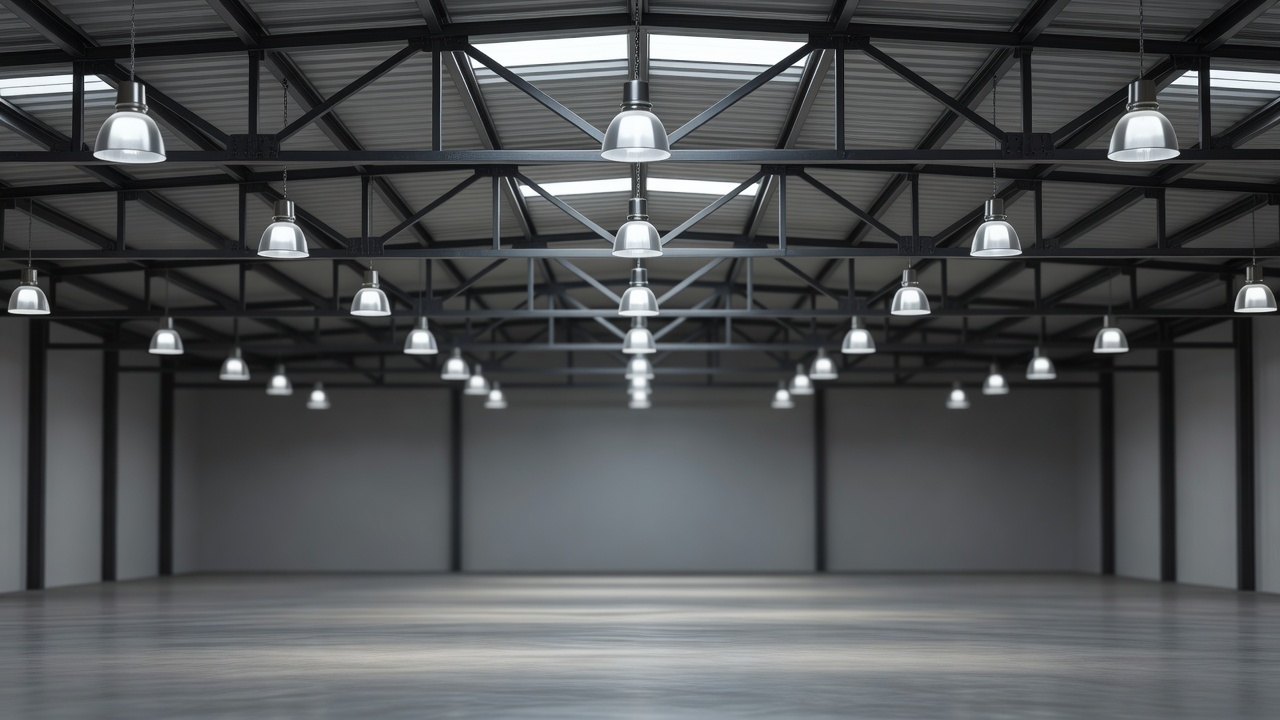
Ar comprimido é o hábito caro
O ar parece livre porque nada chega a um tanque, e é uma das coisas mais caras que uma oficina produz.
Um compressor que converte eletricidade em ar comprimido não é eficiente desde o início, e um sistema com vazamentos consome ar que ninguém usou. O teste clássico é desligar tudo no final do dia e ouvir: se o compressor funcionar à noite, você está pagando para encher um sistema com vazamento enquanto o prédio está vazio.
Vazamentos são fáceis de encontrar e consertar, principalmente em conexões, extremidades de mangueiras e ferramentas. Corrigi-los geralmente é a maior redução de custos de energia disponível na oficina, e leva uma tarde com água e sabão e um marcador.
O calor sai pela porta que você continua abrindo
Uma oficina com uma grande abertura não pode ser aquecida como um escritório, e tentar isso custa muito.
- Aquecendo todo o espaço quando apenas a área de trabalho precisa estar confortável.
- Uma porta principal aberta muito além do necessário para a movimentação de veículos.
- Destratificação, ou a ausência dela, deixando o ar quente no teto.
- Tetos e paredes não isolados, onde o calor sai tão rápido quanto é produzido.
- Aquecendo à noite e nos fins de semana com um timer que ninguém revisou desde que foi configurado.
As intervenções mais baratas aqui são comportamentais e de configuração, não de capital: feche a porta entre as movimentações, verifique se o timer realmente corresponde ao seu horário e traga o ar quente de volta para onde as pessoas estão.
A iluminação é a mais fácil e vale a pena fazer corretamente.
A iluminação é geralmente a primeira coisa a ser trocada, mas a mudança muitas vezes é incompleta.
Luminárias modernas consomem menos energia e duram mais, tornando a troca simples. O que falta é controle: sensores em áreas de uso intermitente, interruptores separados para não iluminar todo o espaço, e luz suficiente no nível de trabalho em vez de uma iluminação geral.
Uma melhor iluminação também aumenta a produtividade, não refletida na conta de energia. O diagnóstico é mais rápido e os erros diminuem com uma luz que permite ver melhor, tornando essa uma das poucas reduções de custo que melhora o trabalho.
Equipamentos ligados
Toda oficina tem equipamentos ligados porque desligá-los não foi uma decisão tomada.
Compressores sob pressão à noite, soldadores e carregadores de bateria ligados, exaustores funcionando em um espaço vazio, telas e computadores nunca desligados, e a chaleira que é tecnicamente um aquecedor. Individuais triviais, mas coletivamente uma carga constante enquanto o espaço está vazio.
Uma lista de verificação de fechamento resolve, e é a mesma que cobre o alarme e a cortina. Um hábito, vários problemas.
A tarifa e o contrato valem uma hora
Tudo isso reduz o que você usa, e a outra metade da conta é o que você paga por unidade.
Oficinas frequentemente ficam com contratos renovados automaticamente a uma tarifa fora de contrato, a mais cara e fácil de sair. Saber a data de término do contrato e agendar um lembrete com antecedência vale mais por hora do que a maioria das melhorias operacionais aqui.
Vale a pena verificar se seu padrão de uso se adapta a uma estrutura diferente. Uma oficina com carga pesada durante o dia e quase nada à noite tem um perfil muito diferente de um negócio que opera 24 horas, e uma tarifa inadequada custa dinheiro, independentemente da eficiência do espaço.
Meça antes de gastar
A tentação é comprar algo; a sequência correta é medir, consertar o que é grátis e depois decidir.
Uma oficina que conhece sua carga base, ou seja, a energia consumida quando nada acontece, pode identificar imediatamente quanto da conta é vazamentos, espera e temporizadores, em vez de trabalho. Esse número frequentemente surpreende e justifica ou rejeita uma compra de capital.
Faça primeiro as coisas grátis e baratas, depois meça novamente. Decidir sobre energia solar, um novo compressor ou um sistema de aquecimento é uma decisão muito melhor em um prédio que não está desperdiçando um terço do que usa.
Perguntas frequentes
Para onde vão os custos de energia da oficina?
Principalmente em vazamentos de ar comprimido, aquecendo um grande volume não isolado por uma porta que fica aberta com frequência, e equipamentos funcionando fora do horário. A iluminação também importa, mas geralmente já foi abordada.
Como encontro vazamentos de ar comprimido?
Desligue tudo no final do dia e ouça. Se o compressor liga à noite, você está pagando para encher um sistema com vazamentos em um prédio vazio. Os vazamentos estão principalmente em conexões, extremidades de mangueiras e ferramentas, e água com sabão os encontra.
Uma oficina com uma porta grande pode ser aquecida de forma econômica?
Não da mesma forma que um escritório. As melhores economias são comportamentais e de configuração: fechar a porta entre os movimentos dos veículos, verificar se o temporizador corresponde às suas horas reais e trazer o ar quente de volta do teto para o nível de trabalho.
Vale a pena atualizar a iluminação?
Geralmente sim, e a mudança muitas vezes está pela metade. Luminárias modernas usam uma fração da energia, mas o controle é o que falta: sensores em áreas intermitentes, interruptores separados por baia e luz suficiente no nível de trabalho. Melhor iluminação também acelera o diagnóstico.
Devo investir em energia solar ou em novos equipamentos?
Meça sua carga base primeiro, ou seja, a energia consumida quando nada acontece, e conserte o que é gratuito. Essa decisão é melhor feita em um local que não já desperdiça um terço do que usa.
Leia mais como este
Preço de pneus sem planilha
Preço manual de pneus fica desatualizado com mudanças na lista de fornecedores. Use regras e deixe-as atualizar.
Consulta de registro de veículos
A consulta de registro elimina a maior queda nas vendas online de pneus: quando você pede um tamanho que o cliente não sabe.
O selo de pneus da UE na sua loja
O selo de pneus da UE é uma obrigação e uma ferramenta de vendas. Veja o que a loja deve exibir, de onde vem os dados e como usá-los para vender mais.