
Opstelling van de mobiele montagewagen, ingericht voor de klus.
Twee vans met identieke apparatuur kunnen vijftien minuten per klus verschillen, en het verschil zit in waar dingen zijn en hoeveel de van weegt. De apparatuurlijst is het gemakkelijke deel van de opstelling van een mobiele montagewagen; de indeling is het deel dat je elke dag terugbetaalt.
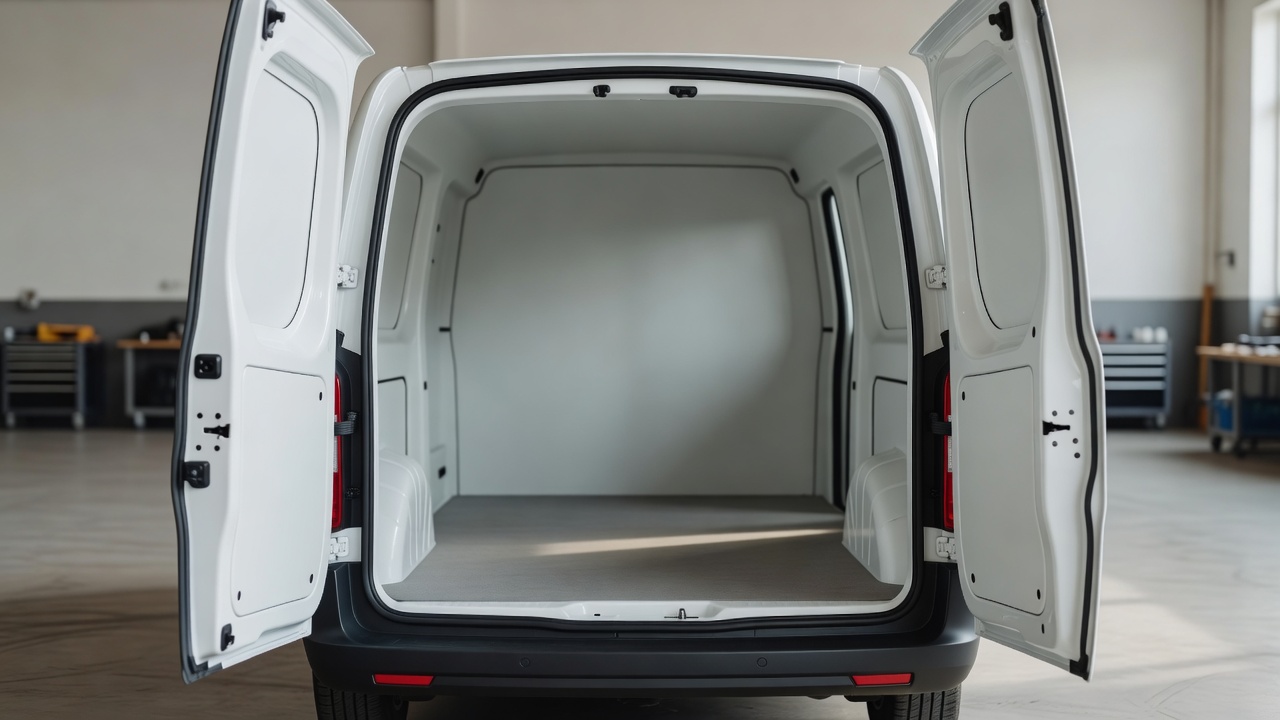
Gewicht is de beperking waar je niet omheen kunt
Een bandenwisselaar, een balancer, een generator of stroomvoorziening, gereedschap en een voorraad banden tellen snel op, en de laadcapaciteit van een van is eindig op een manier die niet onderhandelbaar is.
Overloading affects handling and braking, invalidates insurance in many cases, and is a legal problem in its own right. It also accelerates wear on the van, which is the asset the whole business runs on.
Weeg de bus geladen in plaats van te schatten, vroeg, voordat de inrichting is afgerond. De meeste operators zijn verrast, en het is veel goedkoper om dit voor de montage te ontdekken.
Orden het volgens de volgorde van een klus.
De beste opstelling voor mobiele bandenmontage is gebaseerd op de volgorde van gebruik, niet op hoe netjes het past.
- Wat je eerst nodig hebt, zoals hefapparatuur en wielgereedschap, bij de deuren in plaats van diep binnenin.
- Verbruiksmaterialen op taillehoogte, waar ze vaak gepakt worden, omdat bukken tijd kost.
- Zware machines laag en boven of voor de achteras, voor zowel handling als toegang.
- Banden waar ze verplaatst kunnen worden zonder alles te lossen, omdat de verkeerde altijd achterin ligt.
- Alles heeft een vaste plek, zodat een ontbrekend gereedschap direct opvalt in plaats van op de oprit ontdekt te worden.
Dit punt doet meer voor snelheid dan welk stuk apparatuur ook. Een bus waar elk item een plek heeft, is een bus waar niemand in de regen zoekt.
Stroom en de geluidskwestie.
Machines hebben stroom nodig, en hoe je dit levert, beïnvloedt de werkdag meer dan verwacht.
Een generator is flexibel en luid, wat belangrijk is als de meeste klussen 's avonds op opritten plaatsvinden. Accu- en omvormersystemen zijn stiller en beperken het aantal klussen voor opladen. Veel operators kiezen daarom voor een hybride oplossing.
Kies wat je wilt, maar plan voor het ergste: een koude ochtend, een stijve zijwand en een klus aan het eind van de dag zijn momenten waarop een zwak systeem faalt, en dat kost je een klant.
Beveilig het, voor veiligheid tegen diefstal.
Losse spullen in een bus zijn een gevaar voordat het een diefstalrisico wordt.
Zware voorwerpen die kunnen bewegen bij een plotselinge stop zijn gevaarlijk, dus goede bevestiging is geen optie maar een voorwaarde van veel verzekeringen. Bevestiging die is vastgezet in plaats van op de vloer te rusten, maakt het verschil tussen een veilige lading en een projectiel.
Dan de diefstalvraag, die reëel is voor een bus met tienduizenden euro's aan apparatuur. Deadlocks, een daadwerkelijk ingeschakeld alarm, en de bus niet volgeladen zichtbaar achterlaten zijn de basis, en de verzekeringsvoorwaarden vereisen dit meestal ook.
De bus zelf is een zakelijke beslissing.
Het kiezen van het voertuig wordt vaak als een budgetvraag gezien, maar het is meer een capaciteitsvraag.
Het laadvermogen bepaalt hoeveel je kunt vervoeren, wat weer bepaalt hoeveel klussen je kunt doen voor je moet bijvullen. De interne hoogte bepaalt of je kunt staan, wat weer bepaalt hoe moe je bent na de vijfde klus. Toegang, of dat nu een zijdeur of een lage laadvloer is, bepaalt hoe lang het duurt om elk wiel te verplaatsen.
Weeg die af tegen de operationele kosten in plaats van alleen de aankoopprijs. Een iets grotere bus die je één klus per dag extra laat doen, verdient het verschil veel sneller terug dan de brandstofbesparing van een kleinere, en een bus waar je niet in kunt staan kost je iets dat niet op een factuur staat.
Laat ruimte om te werken.
De meest voorkomende fout bij inrichten is elke kubieke meter vullen, waardoor de bus een opslagruimte in plaats van een werkruimte wordt.
Ruimte om uit de regen te staan, een werkoppervlak en een plek om een wiel neer te leggen zijn meer waard dan de extra voorraad die ze verdringen. In natte klimaten is die beschutting geen luxe, maar het verschil tussen een klus goed afmaken en haasten.
Het is ook belangrijk voor de indruk van de klant. Een nette, georganiseerde bus straalt vakmanschap uit voordat iemand de auto heeft aangeraakt, en dat is waardevol op een oprit waar je een vreemde bent.
Veelgestelde vragen
Wat gaat er in een bus voor mobiele montage?
Een bandenwisselaar en balancer geschikt voor de wielen die je tegenkomt, hefapparatuur, momentsleutels, verbruiksartikelen en een werkvoorraad van gangbare maten. De uitrustingslijst is het makkelijke deel; gewicht en indeling bepalen hoe snel elke klus gaat.
Hoe belangrijk is gewicht?
Het is de beperking waar je niet omheen kunt. Overbelasting beïnvloedt de handling en remmen, kan de verzekering ongeldig maken en is een juridisch probleem, evenals het slijten van het voertuig waarop het bedrijf draait. Weeg de bus geladen voordat je de indeling definitief maakt.
Generator of batterijvoeding?
Een generator is flexibel en luid, wat belangrijk is op woonerven in de avond. Batterij- en omvormersystemen zijn stiller maar beperken het aantal klussen voor opladen, dus veel operators kiezen voor een hybride. Plan voor het slechtste geval in plaats van een gemiddelde dag.
Hoe moet de bus worden ingedeeld?
Rondom de volgorde van een klus: eerst benodigde items bij de deuren, verbruiksartikelen op taillehoogte, zware machines laag en boven de achteras, en banden bereikbaar zonder alles uit te laden. Elk item heeft een vaste plek zodat een ontbrekend gereedschap opvalt.
Wat is de meest voorkomende indelingsfout?
Elk kubieke meter vullen, waardoor de bus een opslagruimte in plaats van een werkplek wordt. Ruimte om uit de regen te staan, een werkoppervlak en een plek om een wiel neer te leggen zijn meer waard dan de voorraad die ze verdringen.
Lees meer zoals dit
Bandenprijzen zonder spreadsheet
Handmatige bandenprijzen verouderen direct bij een wijziging in de leverancierslijst. Prijs op basis van regels en laat die de updates doen.
Kentekenregistratie opzoeken
Kentekenregistratie voorkomt de grootste afname in online bandenverkoop: het moment dat je een klant om een maat vraagt die ze niet weten.
Het EU-bandenlabel in je winkel
Het EU-bandenlabel is verplicht en een verkooptool. Dit moet een winkel tonen, waar de data vandaan komt en hoe je het kunt gebruiken om te verkopen.