
Clientes de flota: trabajo estable, reglas diferentes.
El trabajo de flota es la demanda más confiable que puede tener un taller y la más fácil de perder dinero, generalmente por la misma razón: se trata como trabajo minorista que llega en grandes cantidades.
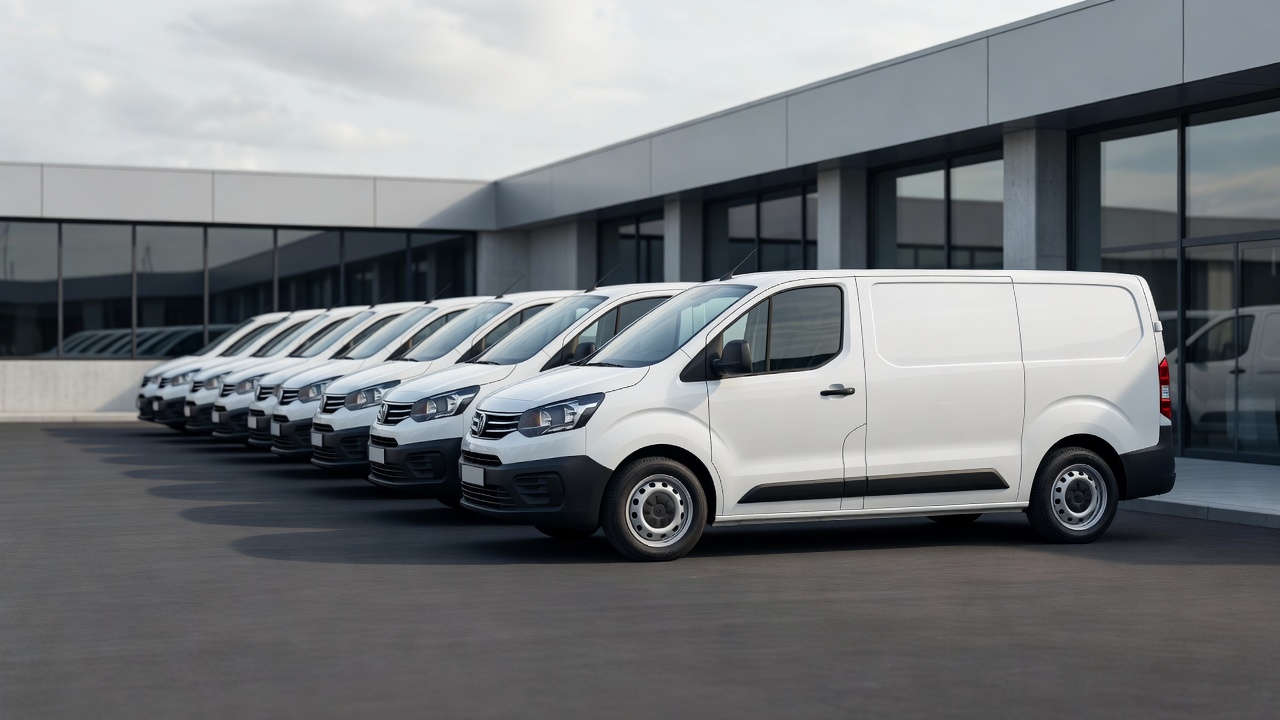
Lo que realmente compran los clientes de flota
Un cliente minorista compra una reparación. Una flota compra disponibilidad de vehículos, y esa diferencia explica casi todo lo demás sobre la relación.
Una furgoneta fuera de circulación le cuesta al operador mucho más que el trabajo, lo que significa que la rapidez, la previsibilidad y la comunicación son más importantes que la factura. Eso es una buena noticia para un taller que puede ofrecer eso, porque compite en algo más que el precio.
También significa que las quejas de los clientes de flota rara vez son sobre el precio. Les informan tarde, no les dicen nada, y los vehículos tardan más de lo acordado.
Tarifas acordadas y dónde va el margen
El trabajo de flota suele tener tarifas laborales negociadas y márgenes de partes limitados, ambos razonables por el volumen.
Las pérdidas de los talleres están en todo lo que rodea la tarifa: recolección y entrega no facturadas, esperar autorización mientras se retiene un espacio, tiempo administrativo para informes y plazos de pago que afectan el flujo de caja.
Valora la relación más que la tarifa. Si se espera recolección y entrega, deben estar explícitamente en el acuerdo; una tarifa un poco más alta con inclusiones claras es más fácil que una baja con discusiones recurrentes.
La autorización es el proceso que define tu día
La mayor diferencia operativa es que quien trae el vehículo generalmente no puede aprobar el trabajo.
- Define quién autoriza, hasta qué monto y qué tan rápido responden.
- Acuerda qué puedes hacer sin autorización, para que el trabajo de seguridad no se detenga.
- Obtén el proceso de autorización por escrito, incluyendo quién cubre cuando esa persona no está.
- Envía la solicitud con evidencia adjunta, porque una foto se autoriza más rápido que una descripción.
- Registra la autorización contra el trabajo, para que la factura nunca esté en duda.
Un taller que se equivoca en esto mantiene espacios abiertos esperando respuestas, lo que es el costo que hace que el trabajo de flota parezca no rentable.
El reporte es parte del producto
Los operadores de flotas deben justificar sus costos, y un proveedor que lo facilite es difícil de reemplazar.
Esto implica facturas consistentes, trabajo registrado por vehículo y poder responder cuánto se ha gastado en una furgoneta en un año sin buscar en papeles.
No es glamuroso y es realmente complicado. Los contratos se mantienen por el reporte, incluso después de que otro taller ofrezca una tarifa más baja.
El problema de programación que generan las flotas
Los vehículos de flota no llegan de manera uniforme. Se agrupan en torno a fechas de renovación de contratos, inspecciones estacionales y cuando el operador decide despejar un atraso.
Es un problema de capacidad, no de demanda, y vale la pena negociar en lugar de absorber. Un operador con veinte furgonetas suele tener flexibilidad sobre qué semana entra cada una, y la usará si se le pide, porque un horario distribuido también acelera la entrega de sus vehículos.
Si una flota no puede distribuir el trabajo, cobra honestamente en los picos o rechaza la parte que no puedes atender bien. Aceptar todo y entregar tarde daña más la relación que rechazar parte.
Cobrar, que es otra negociación
Los clientes minoristas pagan al recoger. Las flotas pagan a plazos, y esos plazos son parte del precio, ya sea que se hayan discutido o no.
Treinta días es lo normal, sesenta es común, y la brecha entre hacer el trabajo y cobrar es capital de trabajo que le prestas al cliente. Es manejable cuando es intencional y peligroso cuando se acumula sin que se note en varias cuentas.
Acuerda los términos explícitamente, factura pronto con la autorización adjunta para que no haya dudas, y observa el envejecimiento en lugar del total. Un gran cliente de flota que paga tarde es un mayor riesgo para un taller pequeño que uno pequeño que no paga en absoluto.
Empieza pequeño y demuéstralo
Ganar un contrato grande de flota antes de tener el taller listo puede perjudicar a ambos.
Las pequeñas flotas locales, con unas pocas vans cada una, son la entrada lógica: el volumen es significativo, la cadena de autorización es corta y los errores son recuperables. Además, son los clientes que más valoran la rapidez sobre el costo.
Una vez que el proceso funcione a esa escala, las oportunidades mayores dependen de la capacidad más que de la habilidad, y puedes fijar precios sabiendo lo que realmente te cuesta atenderlas.
Preguntas frecuentes
¿Es rentable el trabajo de flota para un taller?
Puede ser muy rentable, pero es fácil perder dinero si se trata como trabajo minorista en volumen. Las pérdidas rara vez son por la tarifa negociada; son cobros no facturados, espacios ocupados esperando autorización y tiempo administrativo no contabilizado.
¿Qué es lo que más les importa a los clientes de flota?
Disponibilidad de vehículos. Una van fuera de circulación le cuesta más al operador que el trabajo en sí, por lo que la rapidez, la previsibilidad y la comunicación son más importantes que la factura. Sus quejas suelen ser por avisos tardíos, no por el precio.
¿Cómo se debe manejar la autorización?
Acuerda de antemano quién autoriza, hasta qué monto, qué tan rápido responden, qué puedes hacer sin autorización y quién cubre cuando están ausentes. Envía solicitudes con fotos adjuntas, porque la evidencia se autoriza más rápido que la descripción.
¿Por qué es tan importante el reporte para las flotas?
Porque los operadores deben justificar los costos hacia arriba. Facturas consistentes, trabajo registrado por vehículo en lugar de por conductor, y poder responder cuánto ha costado una van en un año te hacen difícil de reemplazar, a menudo más que la tarifa.
¿Cómo empiezo a ganar trabajo con flotas?
Con flotas locales pequeñas de algunas furgonetas, donde el volumen es significativo, la cadena de autorización es corta y los errores son recuperables. Demuestra el proceso a esa escala antes de asumir un contrato que exponga cada brecha.
Lee más como esto
Precios de llantas sin hoja de cálculo
Los precios de llantas a mano se desactualizan al cambiar la lista de proveedores. Usa reglas para fijar precios y deja que se actualicen automáticamente.
Consulta de registro vehicular
La consulta de registro vehicular elimina la mayor caída en ventas de llantas en línea: cuando preguntas a un cliente por un tamaño que no conoce.
La etiqueta de llantas de la UE en tu tienda
La etiqueta de llantas de la UE es una obligación y una herramienta de ventas. Aquí lo que debe mostrar un taller, de dónde proviene la información y cómo usarla para mejorar las ventas.